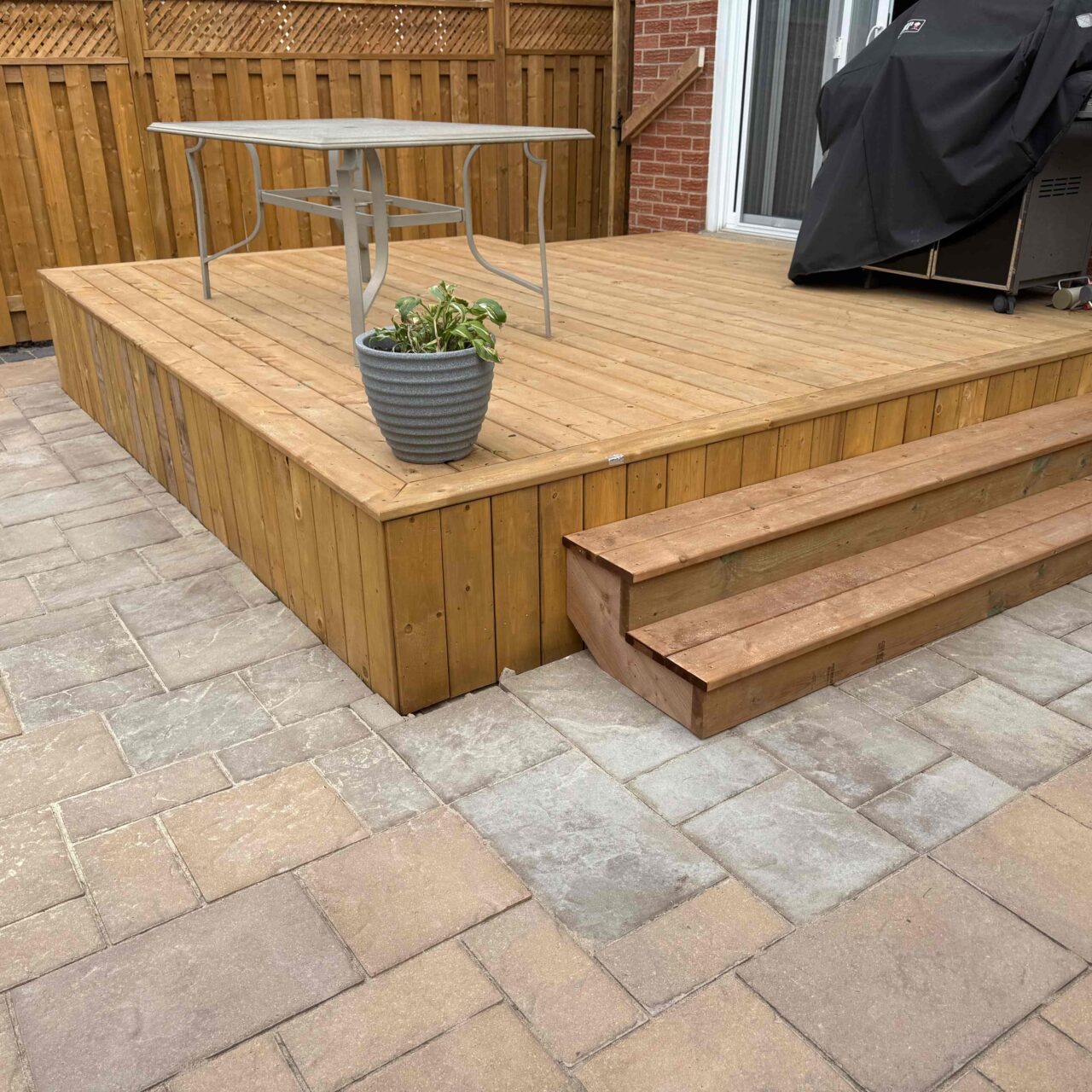

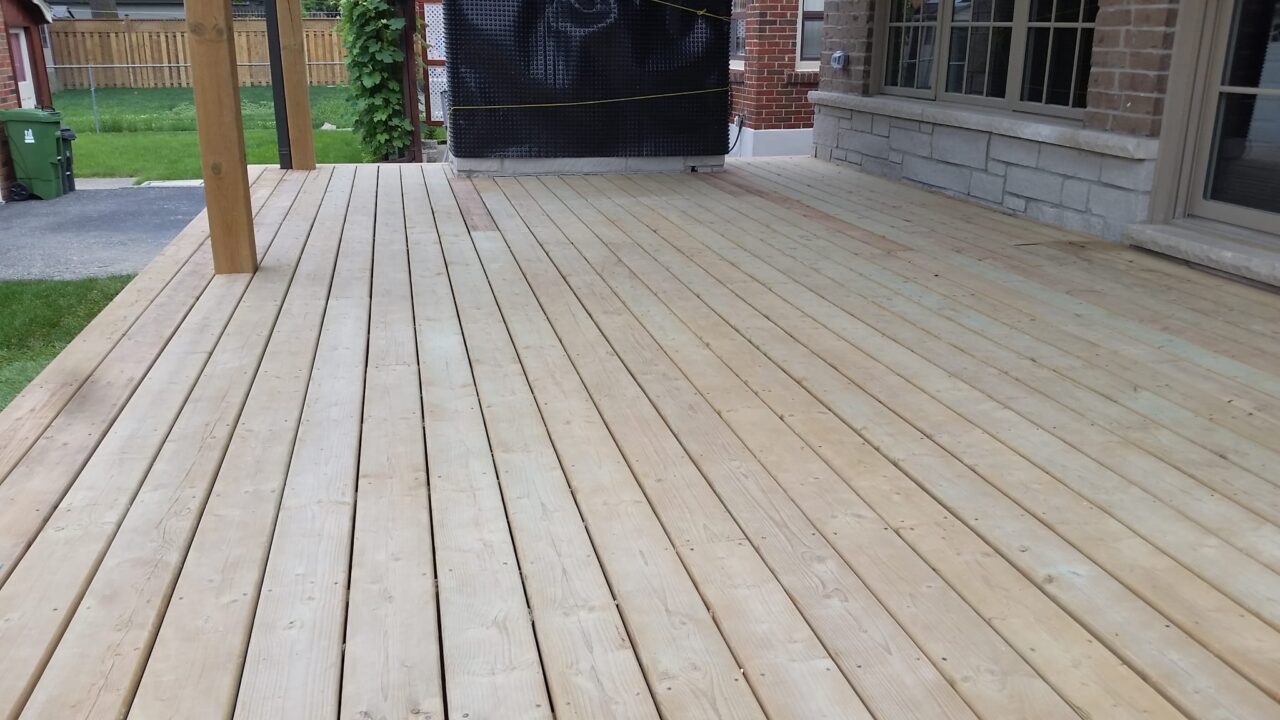
Deck Maintenance Schedule:
A deck in Southern Ontario has to handle a lot over the course of a year. Rain, snow, summer heat, direct sunlight and repeated freeze-and-thaw cycles can all take their toll over time.
So, how do you make a deck last longer? There isn’t one treatment or maintenance trick that does it. Deck longevity depends on a combination of proper construction, good drainage, suitable materials, regular cleaning and dealing with deterioration before a small problem becomes a much larger one.
The amount of maintenance required also depends on what your deck is made from. Pressure-treated lumber and other wood products generally require more upkeep than composite decking, while the condition of the framing and foundation matters regardless of what’s installed on top.
Fortunately, maintaining a deck doesn’t have to become a constant project. A few inspections and some basic seasonal maintenance can go a long way.
Start Each Spring With an Inspection
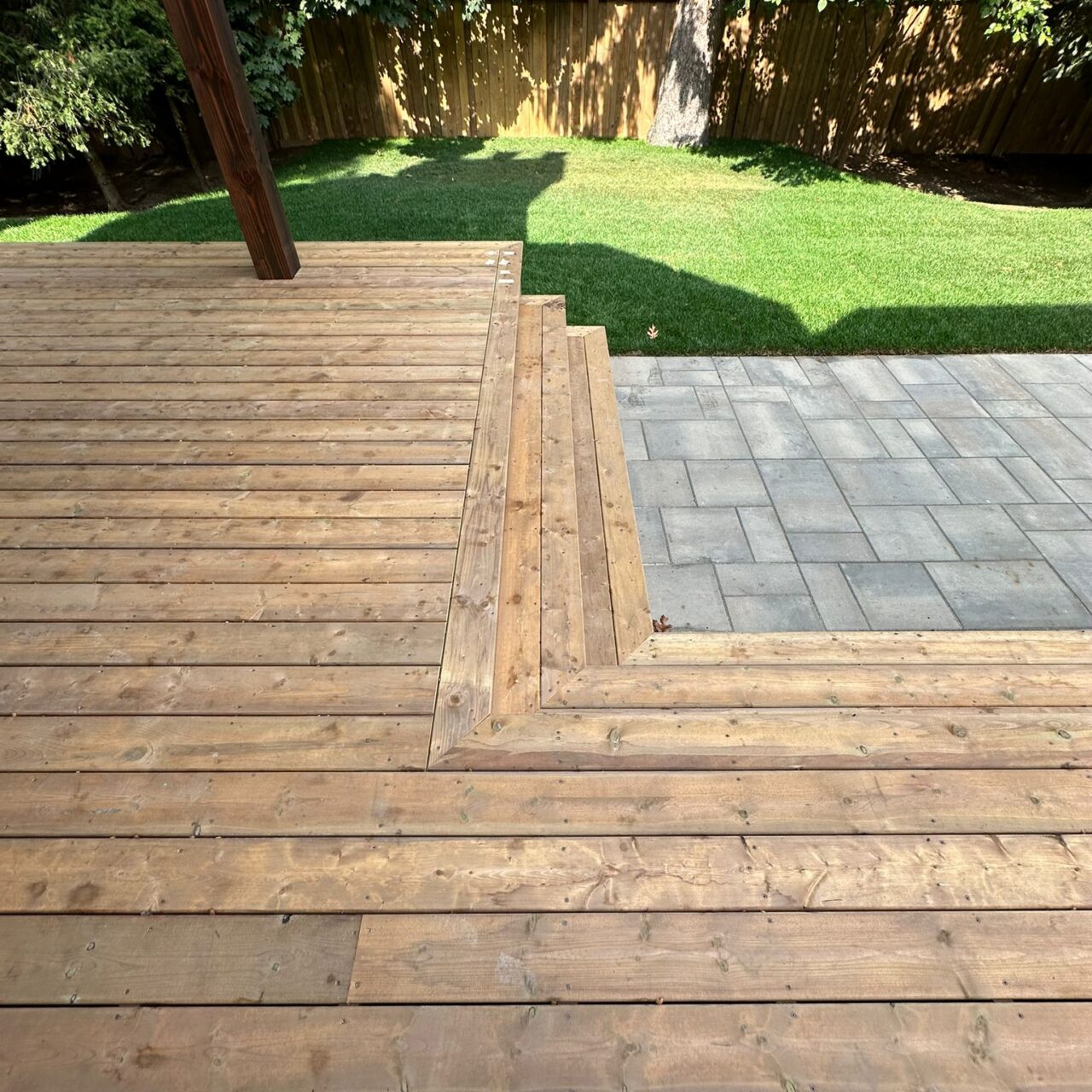
Spring is a good time to see how the deck handled the winter.
Walk across the deck and look for loose, cracked or damaged boards. Check for raised fasteners and pay attention to areas that feel unusually soft or move underfoot. Railings and stairs should feel solid rather than loose or wobbly.
If the structure underneath is accessible, take a look there as well. Check the posts, beams and joists for obvious deterioration, cracking or movement. Changes in the structure can sometimes be related to the deck foundation, particularly if the deck appears to have shifted or settled.
Water deserves particular attention. Areas that remain wet long after the rest of the deck has dried, or places where leaves and debris regularly collect, can be more susceptible to deterioration over time.
Give the Deck a Good Spring Cleaning
Once the inspection is finished, clear away whatever winter left behind.
Sweep leaves, dirt and other debris from the surface and clean out material caught between the deck boards. Pay attention to areas around posts, stairs and other places where debris tends to accumulate.
The goal isn’t simply to make the deck look better. Removing organic material allows water to drain and helps wood dry instead of remaining damp.
When the surface itself needs washing, use a cleaning method appropriate for the decking material. Pressure washing can be effective in some situations, but too much pressure can damage wood fibres and leave the surface rough or uneven. If you have composite decking, follow the manufacturer’s cleaning recommendations.
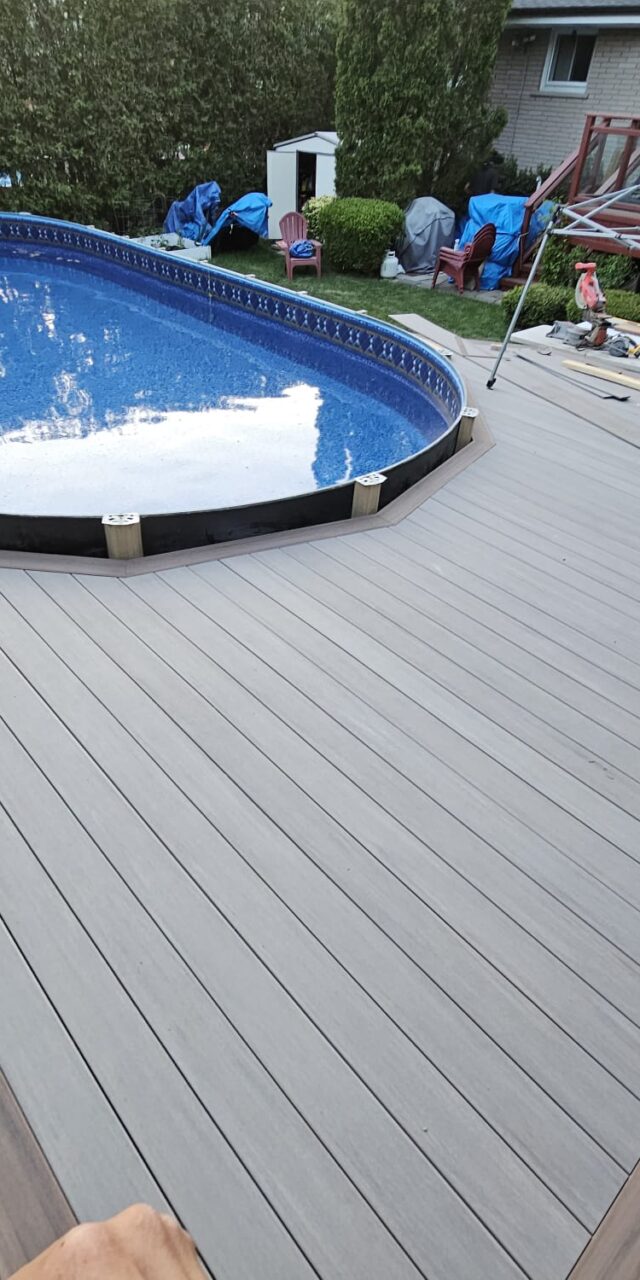
Keep an Eye on Moisture During the Summer
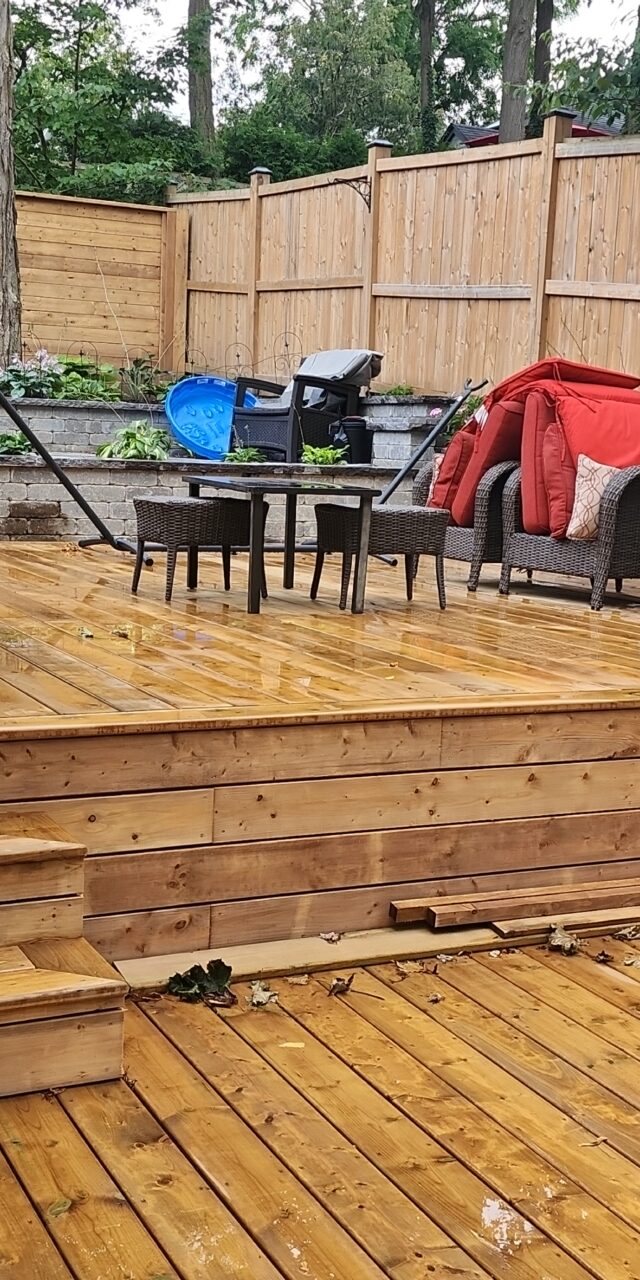
Deck maintenance doesn’t need to become a monthly project. During the summer, simply pay attention to changes as you use the space.
Outdoor rugs, large planters and furniture can sometimes trap moisture or debris underneath them. Moving these items occasionally allows you to clean underneath and see how the decking is holding up.
This is also a good opportunity to deal with small problems such as loose fasteners or damaged boards. A minor repair is usually easier to address before several more seasons of weather and use make the problem worse.
Does Your Deck Need to Be Stained, Sealed or Oiled?
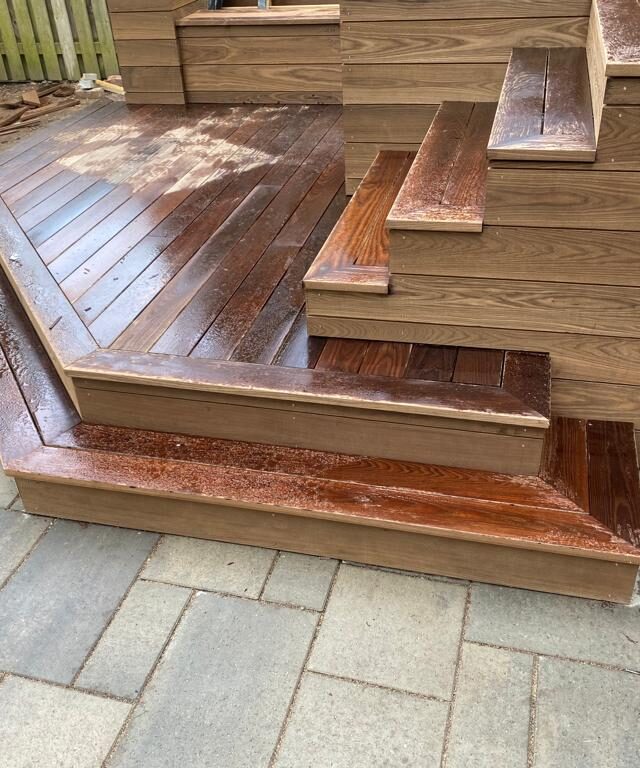
If you have a wood deck, some form of refinishing will eventually become part of its maintenance. Stains, sealers and oils can help protect suitable wood from moisture and weathering, although they don’t all work in exactly the same way.
There isn’t a single refinishing schedule that applies to every deck. How often treatment is needed depends on the species of wood, the previous finish, the product being used, sun exposure, moisture and the amount of wear the deck receives.
Rather than automatically refinishing the deck after a predetermined number of years, look at the condition of the existing finish and follow the recommendations for the product being used.
Whether stain or deck oil is the better choice also depends on the deck. Stains can add colour while providing varying degrees of protection, while penetrating oils are designed to soak into suitable wood. If a deck already has a coating or finish, compatibility with the new product also needs to be considered.
Composite decking generally doesn’t need to be stained, sealed or oiled. Lower ongoing maintenance is one of the major differences homeowners may want to consider when choosing between composite and pressure-treated decking.
Prepare Your Deck for a Southern Ontario Winter
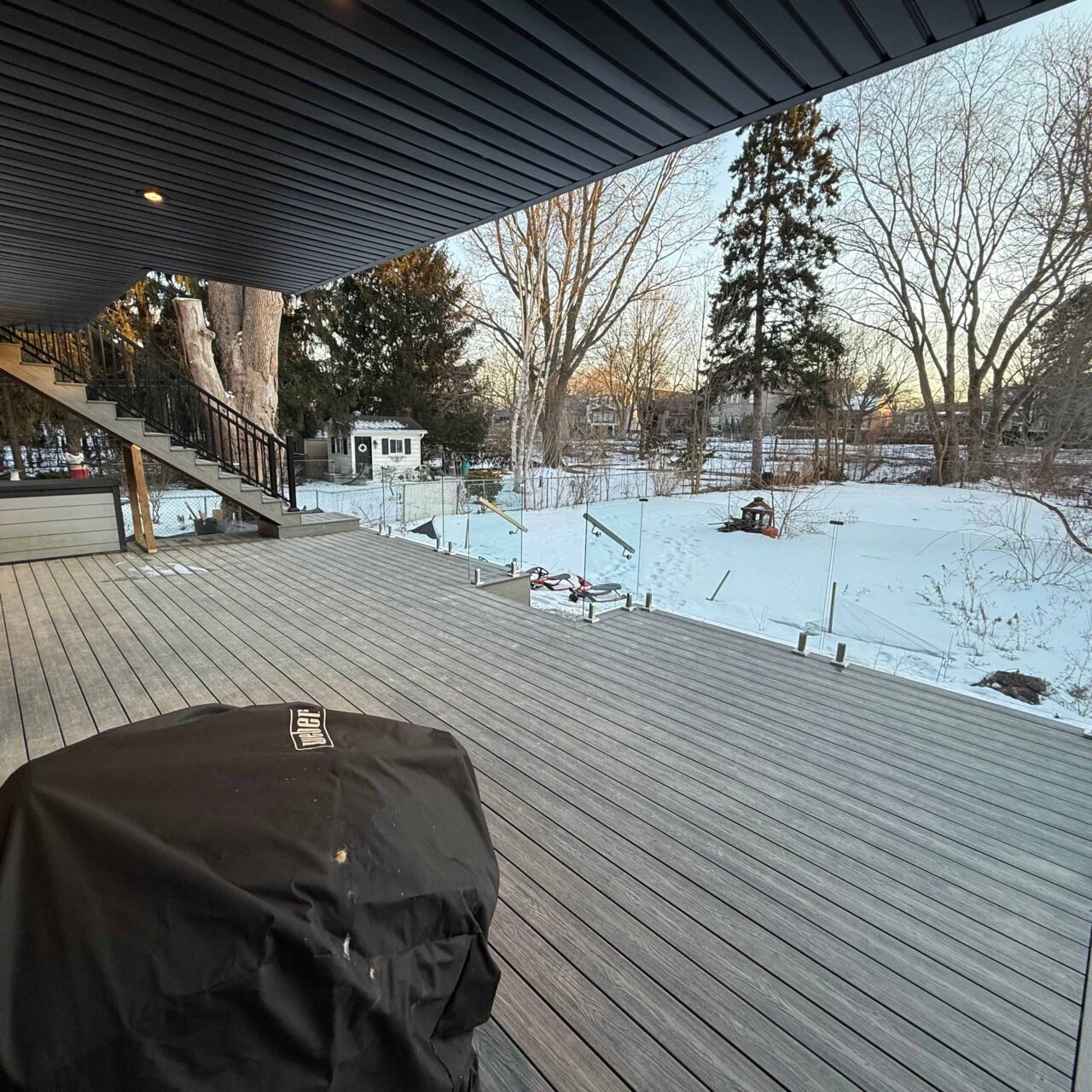
Fall maintenance is mostly about making sure the deck isn’t heading into winter with problems that could become worse.
Clear leaves and other organic debris from the deck, particularly from corners and between boards. Check that water can drain away rather than pooling on or around the structure.
If you notice damaged boards, loose stairs, unstable railings or other problems, fall is also a good time to deal with them rather than leaving them through another winter.
Southern Ontario’s repeated freezing and thawing can be particularly hard on outdoor structures. Good drainage and a properly constructed foundation are therefore important parts of a durable deck, which is one reason the choice between deck footings and helical piles should be considered carefully when a deck is originally built.
Be Careful When Removing Snow and Ice
A deck doesn’t necessarily need to be completely cleared after every snowfall. When snow does need to be removed, however, avoid unnecessarily scraping or damaging the decking.
Be particularly careful when dealing with ice. De-icing products that are suitable for one decking material may not be recommended for another. Check the decking manufacturer’s instructions before applying salt, chemicals or other ice-melting products.
The same applies to snow-removal tools. A shovel that repeatedly scrapes across the surface can damage some decking materials, so use a method that minimizes direct contact with the boards.
Don't Forget What's Under the Deck
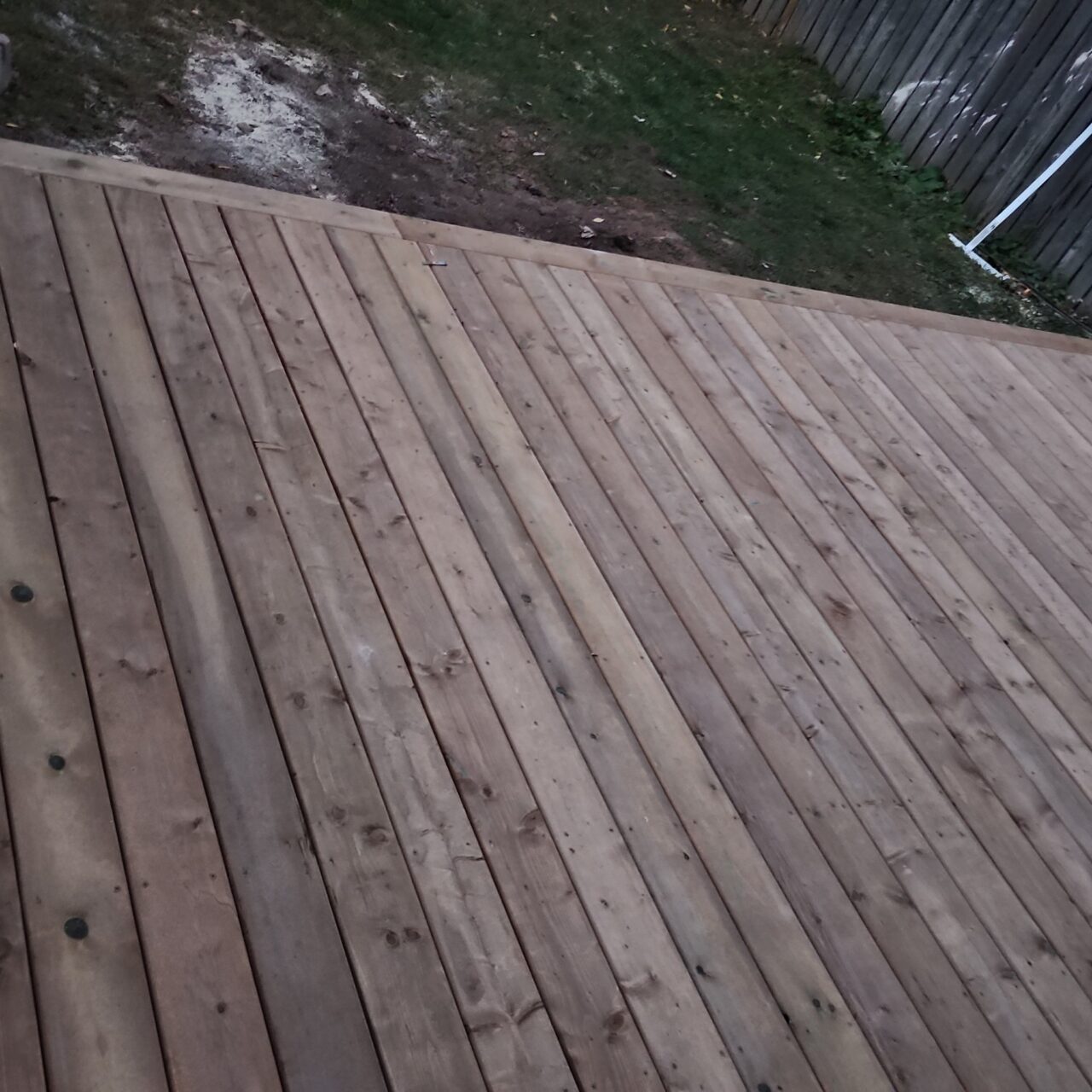
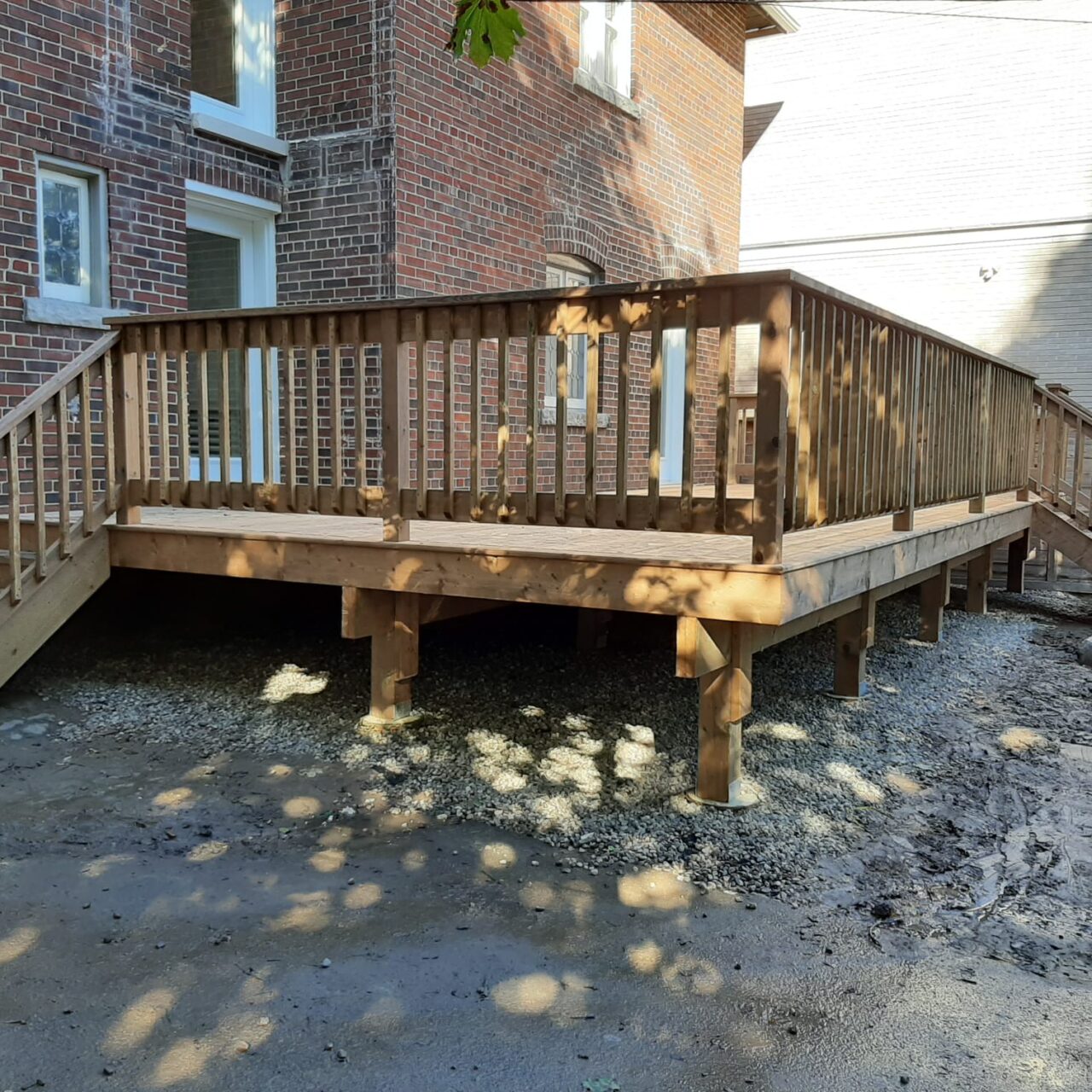
It’s easy to focus entirely on the deck boards because they’re the part you see and use every day. The structure underneath them is considerably more important to the deck’s long-term performance.
At least once a year, take a closer look at the accessible structural components of the deck, including:
- Posts and footings
- Beams and joists
- Fasteners and metal connectors
- Ledger connections
- Stairs
- Railings
Look for movement, significant corrosion, cracks, rot or anything else that appears to have changed.
The longevity of these components depends partly on how the deck was built in the first place. Decisions such as choosing the right framing material for a deck can affect how the structure performs as it ages.
Some structural components aren’t easy for a homeowner to evaluate. If something appears wrong and you’re unsure of its significance, having it inspected is preferable to assuming it’s only cosmetic.
What Makes a Deck Last Longer?
There’s no single deck preservative or maintenance product that determines how long a deck will last. Longevity usually comes from several things working together.
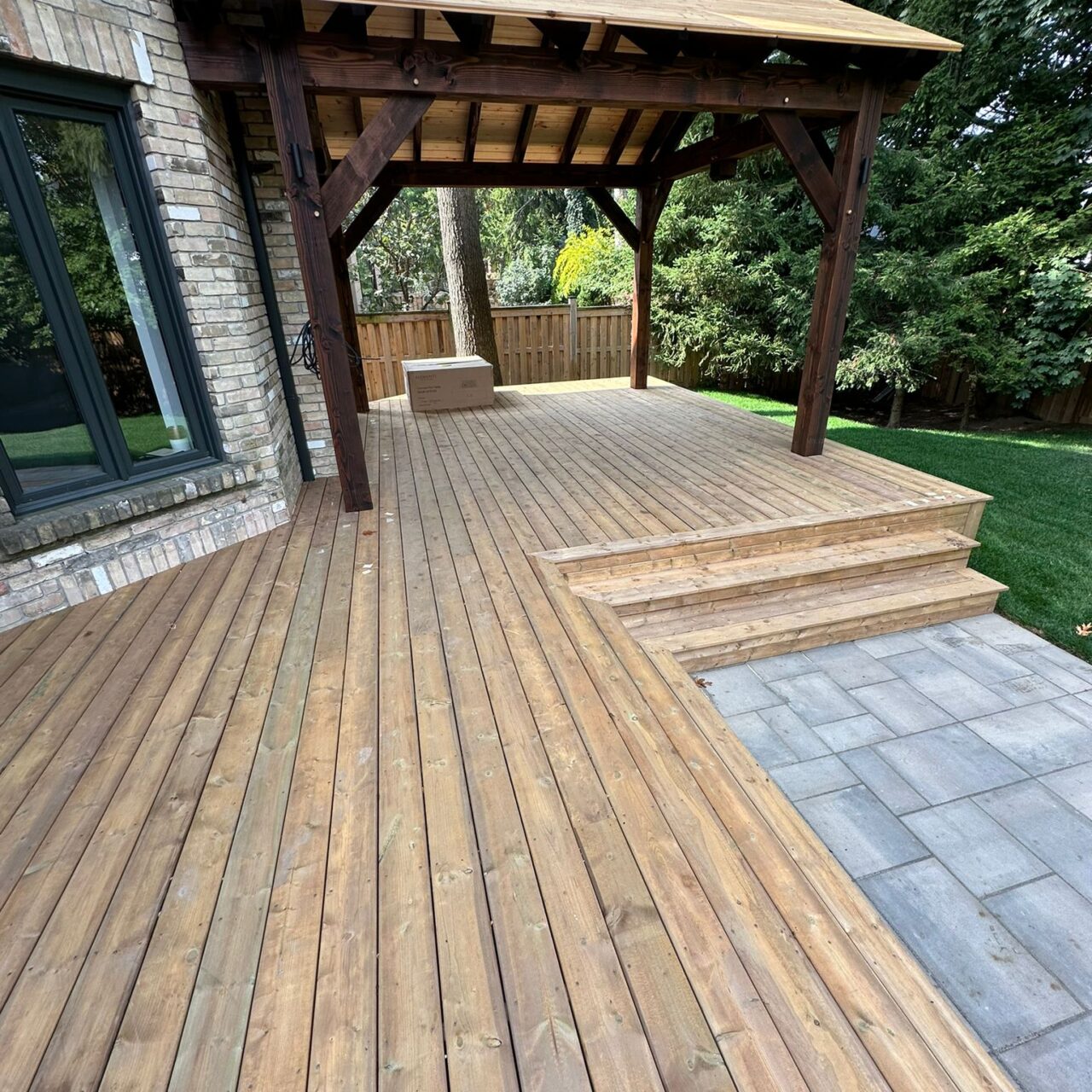
Good drainage is particularly important. Wood that can dry between periods of rain will generally fare better than areas where water, wet leaves or soil remain in contact with the structure. Proper construction also helps keep water from becoming trapped in vulnerable parts of the deck.
Material choice matters as well. Different decking and framing materials have different maintenance requirements and resistance to moisture, insects, sunlight and everyday wear.
Beyond that, one of the simplest ways to extend the useful life of a deck is to deal with problems early. A loose fastener, damaged board or drainage issue is usually easier to address when it first appears than after it has affected surrounding components.
A Simple Deck Maintenance Schedule
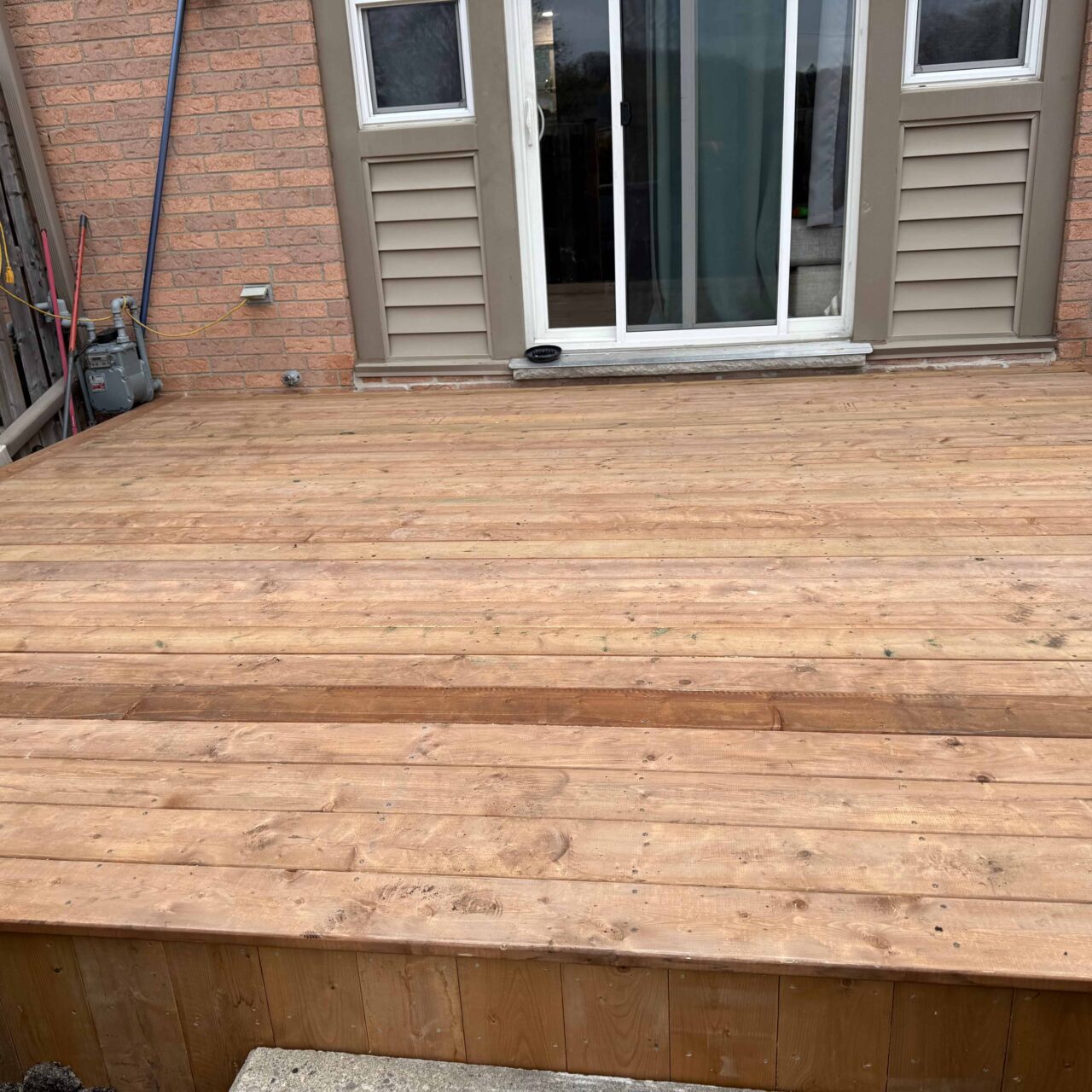
You don’t need an elaborate maintenance program. A basic seasonal routine covers most of what homeowners should be watching for.
|
When |
What to Do |
|
Spring |
Inspect the deck and accessible structure and clear away winter debris |
|
Summer |
Watch for trapped moisture, loose boards, raised fasteners and other damage |
|
Fall |
Remove leaves, check drainage and address problems before winter |
|
Winter |
Remove snow and ice carefully when necessary |
|
Periodically |
Refinish wood decking when the condition of the existing finish calls for it |
|
Once a year |
Take a closer look at accessible structural components |
The exact schedule will vary depending on the age of the deck, its materials, its surroundings and how exposed it is to the elements.
What Is the Average Lifespan of a Deck?
There isn’t one useful average that applies to every deck.
The expected lifespan varies considerably by material. Pressure-treated lumber, cedar, other wood species and composite products don’t age in the same way, and even two decks built from the same material can have very different lifespans.
Construction quality matters too. Drainage, ventilation, the condition of the framing and foundation, sun exposure, surrounding vegetation and maintenance can all affect how quickly a deck deteriorates.
A well-built deck that dries properly and has problems addressed early may remain useful for decades. A deck with persistent moisture or structural problems can deteriorate considerably faster.
This is also why the visible condition of the decking isn’t always a good indication of the condition of the entire structure. Boards can sometimes look relatively good while components underneath are beginning to deteriorate.
Regular maintenance isn’t about making an old deck last forever. It’s about giving the materials the best chance to perform as intended and identifying problems before they become more difficult or expensive to address.
When Is It Time to Call a Deck Contractor?
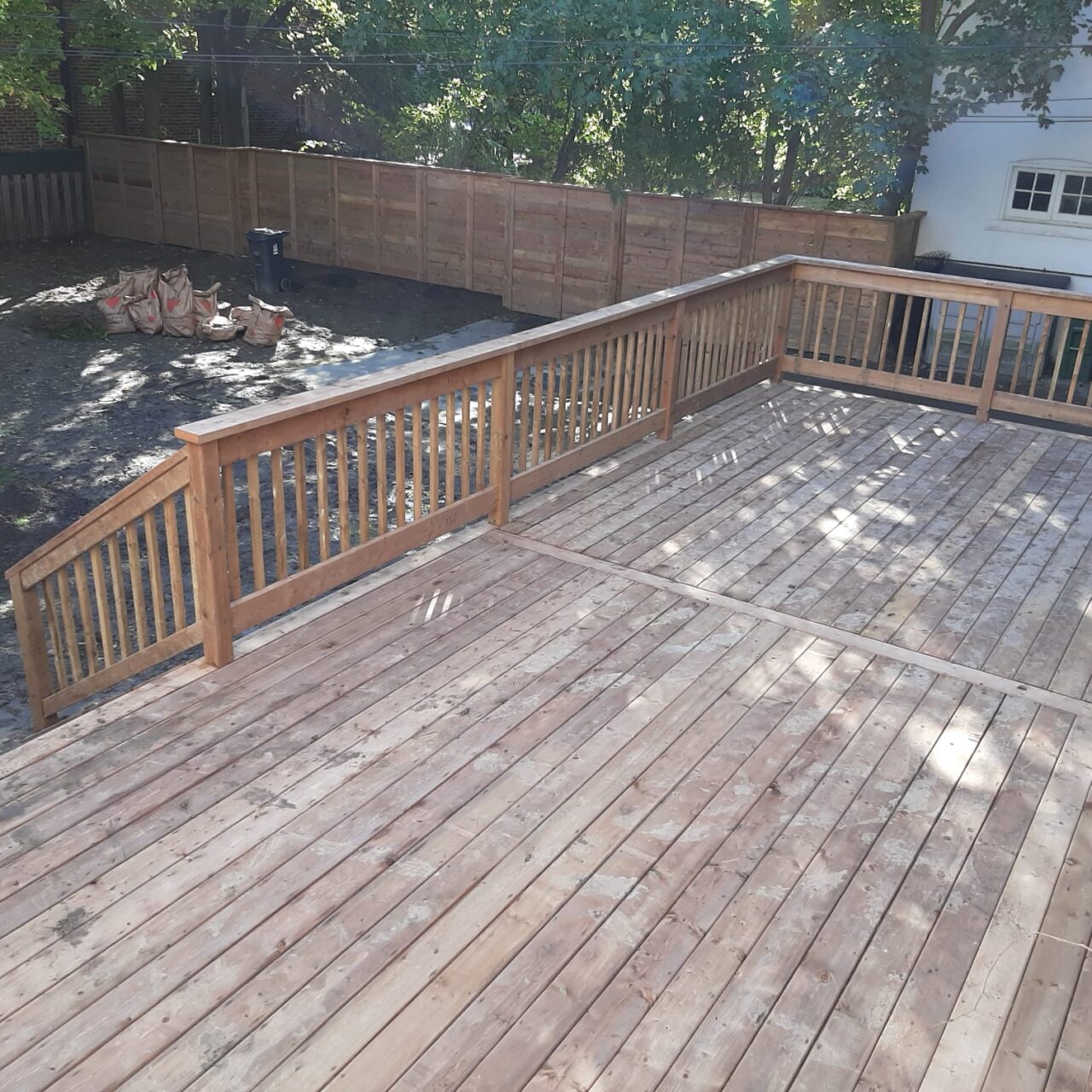
Cleaning, basic maintenance and some minor repairs can be handled by many homeowners. Structural concerns are different.
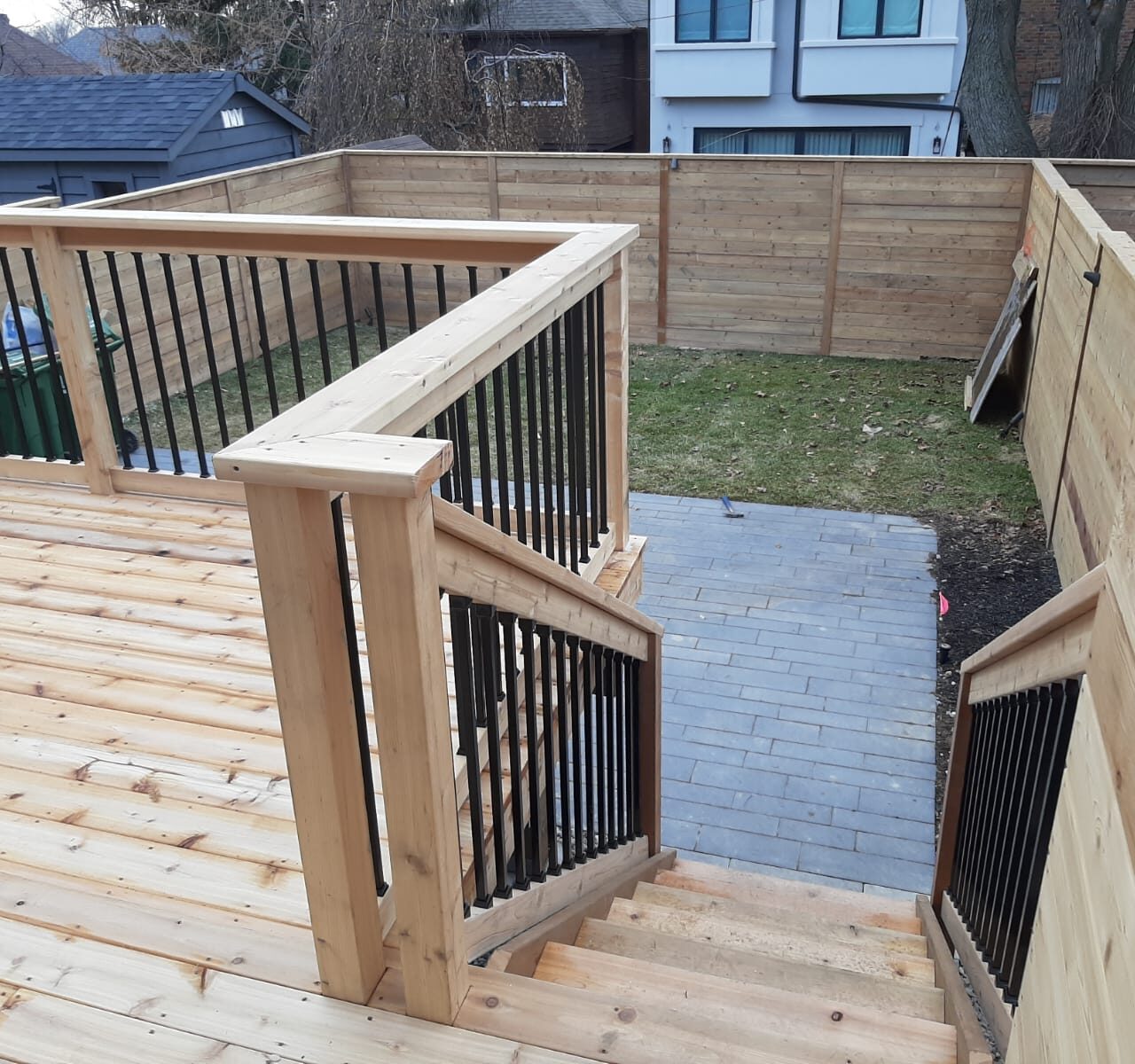
Sagging, noticeable movement, loose railings or stairs, substantial rot, shifting supports or unexplained changes in the structure should be properly assessed.
Age alone doesn’t necessarily mean a deck needs to be replaced either. In some cases, individual components can be repaired or replaced while the rest of the structure remains serviceable. In others, deterioration may be extensive enough that continuing to repair the existing deck no longer makes financial sense.
If your existing deck has reached that point, discussing deck installation and replacement options with an experienced contractor can help determine whether repairing the current structure or starting over is the more practical choice. We provide deck services across Southern Ontario, including Hamilton, Burlington, Oakville, Toronto, Niagara, Fort Erie, St. Catharines, Welland, the Greater Toronto Area and surrounding communities.
Deck Maintenance FAQs
For wood that is suitable for oiling, a deck oil can help protect against moisture and weathering. That can contribute to a longer service life, but oil isn’t a substitute for good drainage, sound construction and regular maintenance. It also isn’t appropriate for every decking material or existing finish.
Neither option is universally better. Stains offer colour and varying levels of protection, while penetrating deck oils are designed to soak into suitable wood. The better choice depends on the wood, the existing finish, the appearance you want and the maintenance requirements of the particular product.
There isn’t a universal interval. Exposure to sunlight and moisture, foot traffic, the type of wood and the particular stain or sealer can all affect how long a finish lasts. Inspect the finish periodically and follow the product manufacturer’s recommendations rather than relying on a fixed schedule.
Keep it clean, prevent water and debris from remaining trapped against the structure, maintain wood finishes when needed and inspect the deck regularly for deterioration. Just as importantly, don’t ignore small problems. Addressing moisture, loose components or damaged wood early can prevent them from developing into more extensive repairs.
The best deck maintenance schedule ultimately isn’t complicated: keep the deck clean, give water somewhere to go, inspect it regularly and don’t ignore changes. For decks in Southern Ontario, staying on top of seasonal maintenance is particularly important because the structure has to withstand everything from hot summer weather to snow, ice and repeated winter freeze-and-thaw cycles.