
Composite Fencing vs. Wood Fencing:
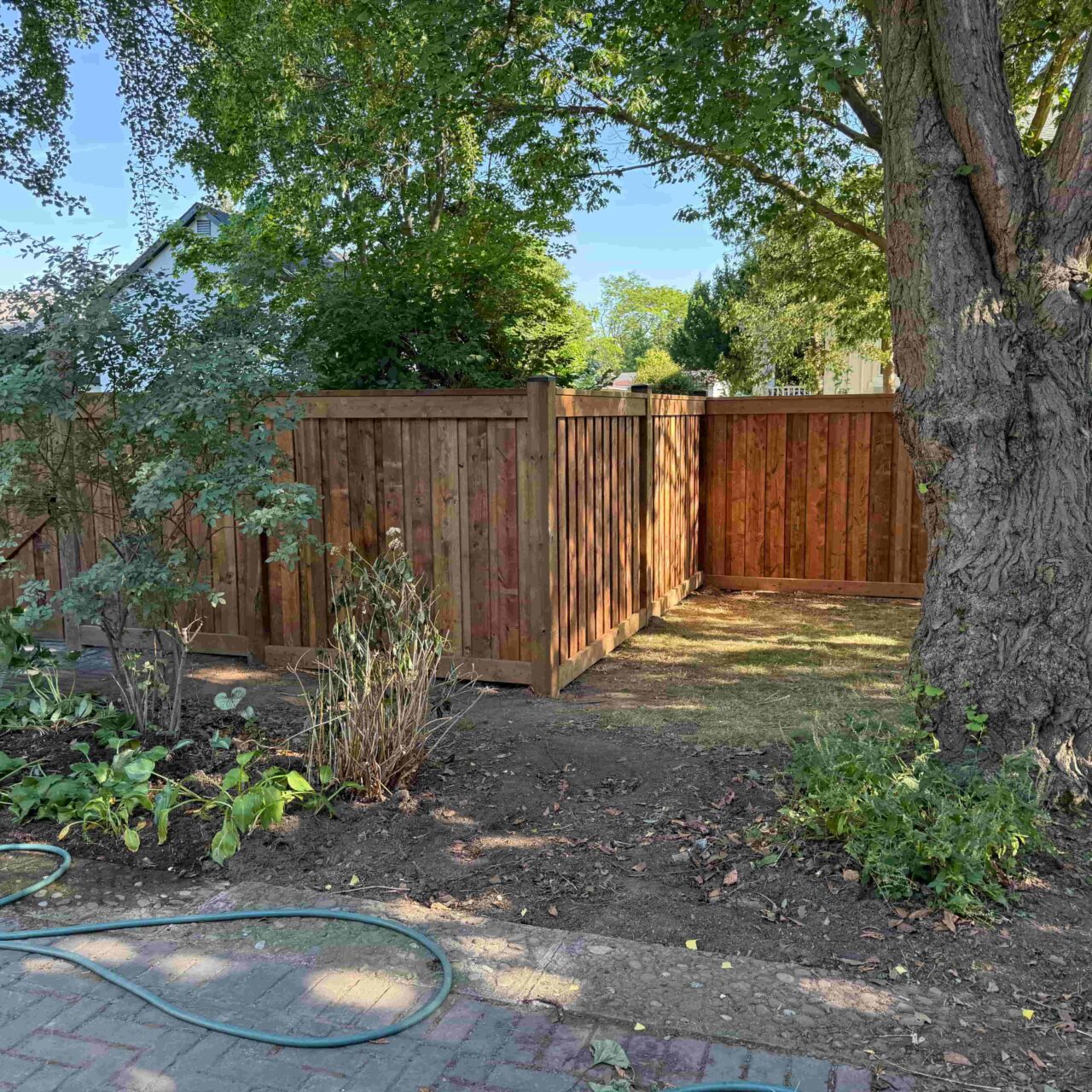
For decades, pressure-treated wood has been the go-to choice for residential fencing across Southern Ontario. It’s affordable, readily available, and has a timeless appearance that complements almost any home.
However, composite fencing has become increasingly popular with homeowners looking for a premium, long-lasting alternative that requires virtually no maintenance.
If you’re considering a new fence, here’s an honest look at the advantages and disadvantages of both options.
The Advantages of Wood Fencing
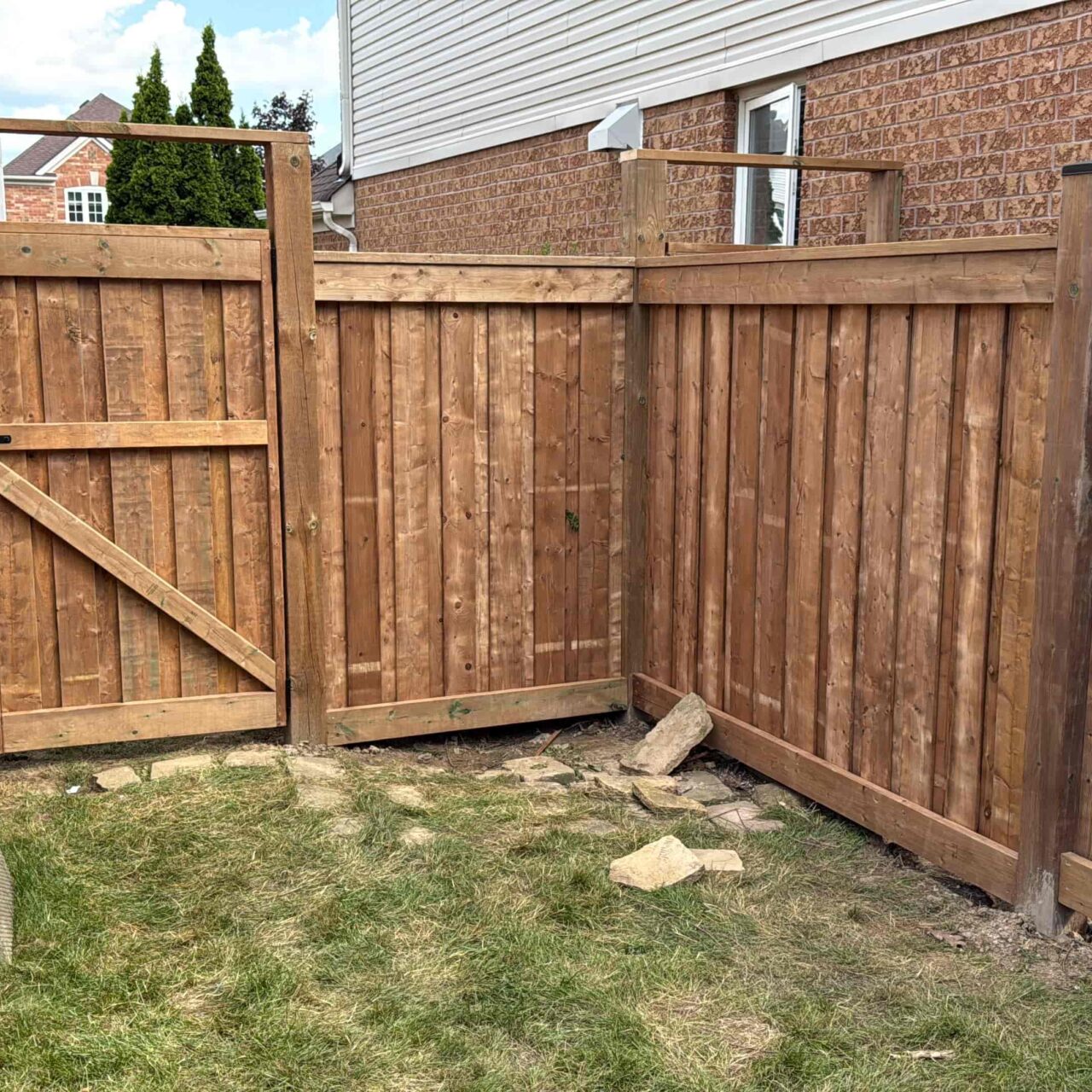
Wood fencing remains an excellent choice for many homeowners, particularly those looking for a traditional appearance at a lower upfront cost.
Lower Initial Investment
Pressure-treated wood is generally the most affordable fencing material available. If you’re working within a specific budget, wood allows you to maximize your fence length while keeping costs lower than composite.
Natural Appearance
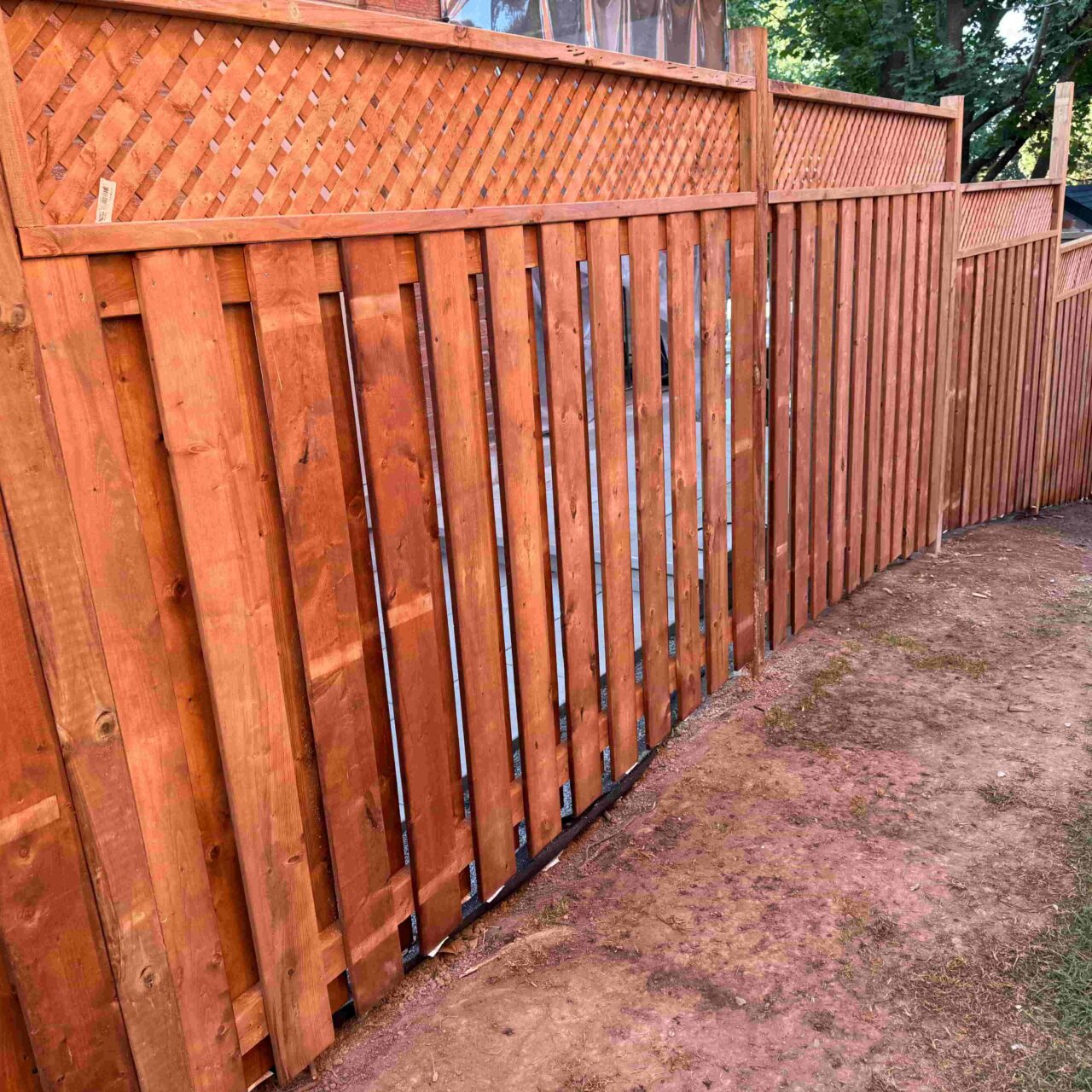
Many homeowners simply love the look of real wood. Its natural grain and warm colours blend beautifully into almost any landscape.
Wood also offers flexibility in design. It can be painted, stained, or customized to match your home and personal style.
Easier Repairs
If a board becomes damaged, replacing a single wood board is typically simple and inexpensive.
The Downsides of Wood
While wood has many advantages, it also comes with ongoing maintenance requirements.
Regular Maintenance
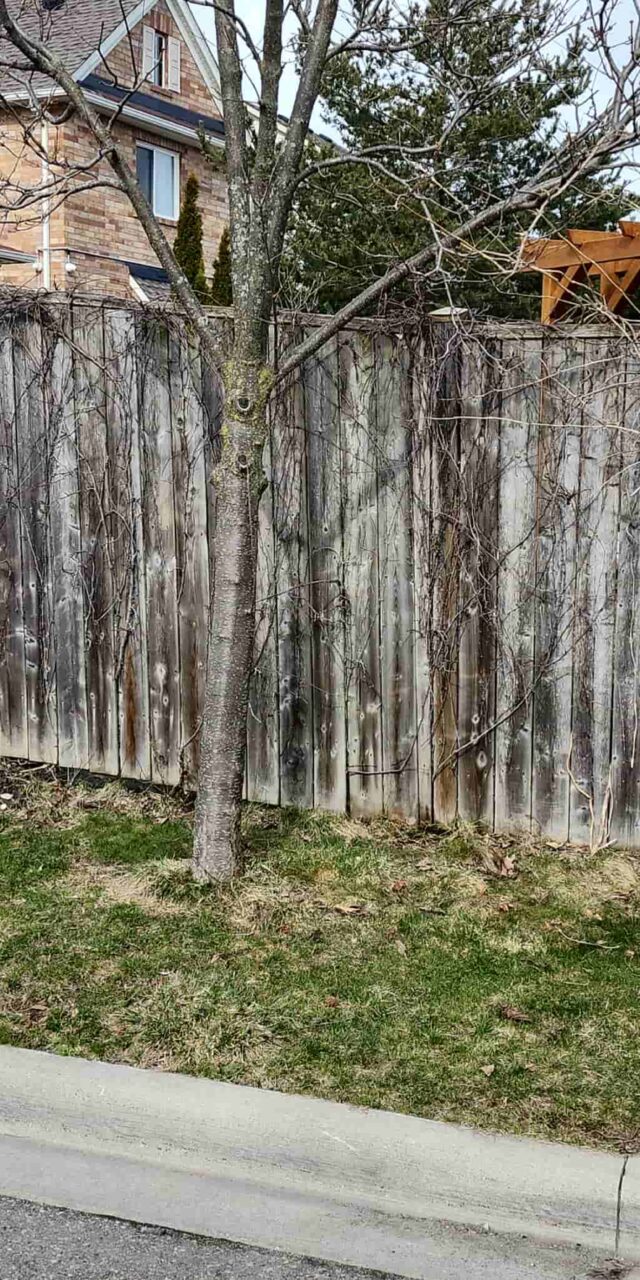
Ontario weather is tough on wood.
Rain, snow, humidity, UV exposure, and freezing temperatures all take their toll over time. To keep a wood fence looking its best, homeowners should expect to:
- Stain or seal every few years
- Replace warped or cracked boards
- Repair loose pickets
- Address rot in older sections
Without maintenance, even quality wood fencing will gradually weather and deteriorate.
Shorter Lifespan
Although properly maintained wood fences can last many years, they generally won’t match the lifespan of composite fencing.
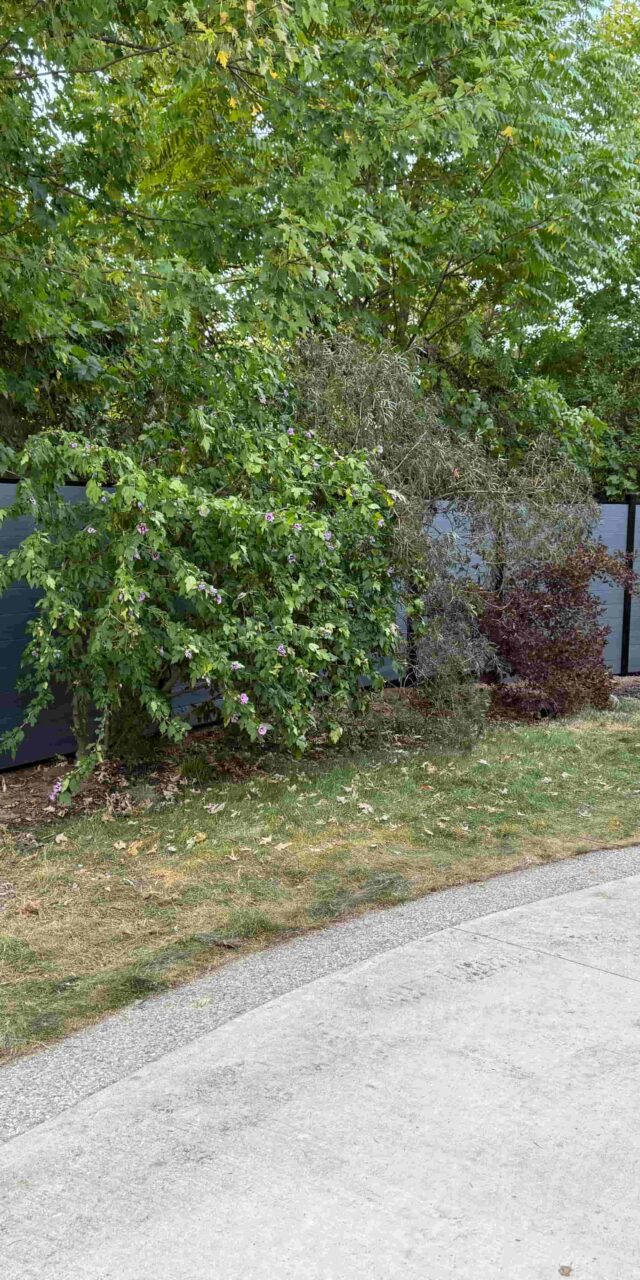
Why Composite Fencing Continues to Grow in Popularity
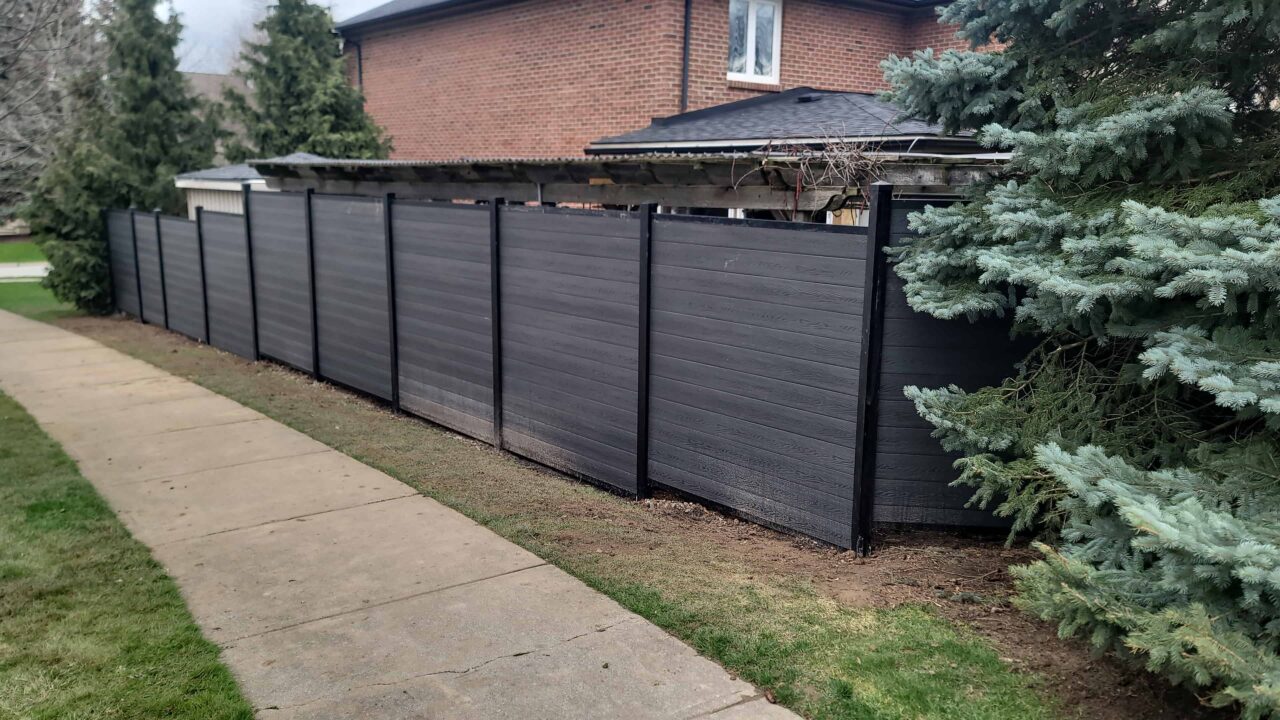
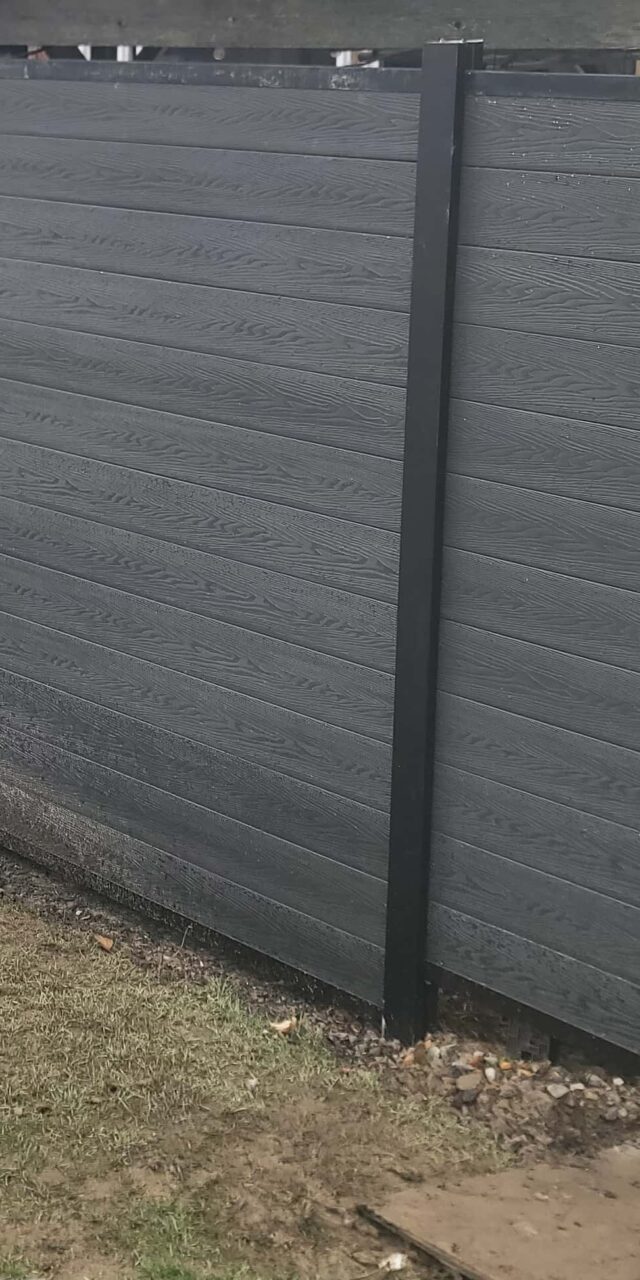
Composite fencing combines recycled wood fibres with durable polymers to create a material that offers the appearance of wood without many of its maintenance concerns.
Virtually Maintenance Free
This is the biggest selling feature.
Composite fencing never needs:
- Painting
- Staining
- Sealing
For most homeowners, occasional washing with soap and water is all that’s required to keep the fence looking great.
Outstanding Durability
Composite won’t rot, splinter, or become food for insects.
Because it doesn’t absorb moisture like traditional lumber, it maintains its appearance much better through Ontario’s changing seasons.
Consistent Appearance
Unlike wood, composite maintains its colour and finish year after year.
There are no knots, warping, or shrinking boards that create uneven gaps over time.
Many homeowners appreciate the clean, modern look that composite provides.
Are There Any Downsides to Composite?
Absolutely—and it’s important to be honest about them.
Higher Upfront Cost
Composite fencing requires a larger initial investment than pressure-treated wood.
While many homeowners recover some of that cost through reduced maintenance over the years, the purchase price is still noticeably higher.
Less Customization
Although composite manufacturers offer several attractive colours and styles, wood remains easier to modify or customize if you’re looking for a very specific appearance.
Which Fence Is Right For You?
The answer depends on your priorities.
Choose Wood If:
- You’re working within a tighter budget.
- You enjoy the traditional appearance of natural lumber.
- You don’t mind periodic maintenance.
Choose Composite If:
- You want a premium, long-term investment.
- You prefer minimal maintenance.
- You want your fence to look great for years without regular staining or sealing.
- You value durability and consistency.
Our Recommendation
At Post2Fence, we install both wood and composite fencing because every property—and every homeowner—is different.
Rather than recommending the same product for every project, we help our customers choose the fencing solution that best fits their budget, maintenance expectations, and long-term goals.
If you’re considering a new fence in Hamilton, Burlington, Oakville, Niagara, Fort Erie, St. Catharines, Welland, or the surrounding communities, we’d be happy to discuss the advantages of both materials and help you choose the option that’s right for your property.
Contact Post2Fence today for a free quote and expert advice on your next fencing project.