

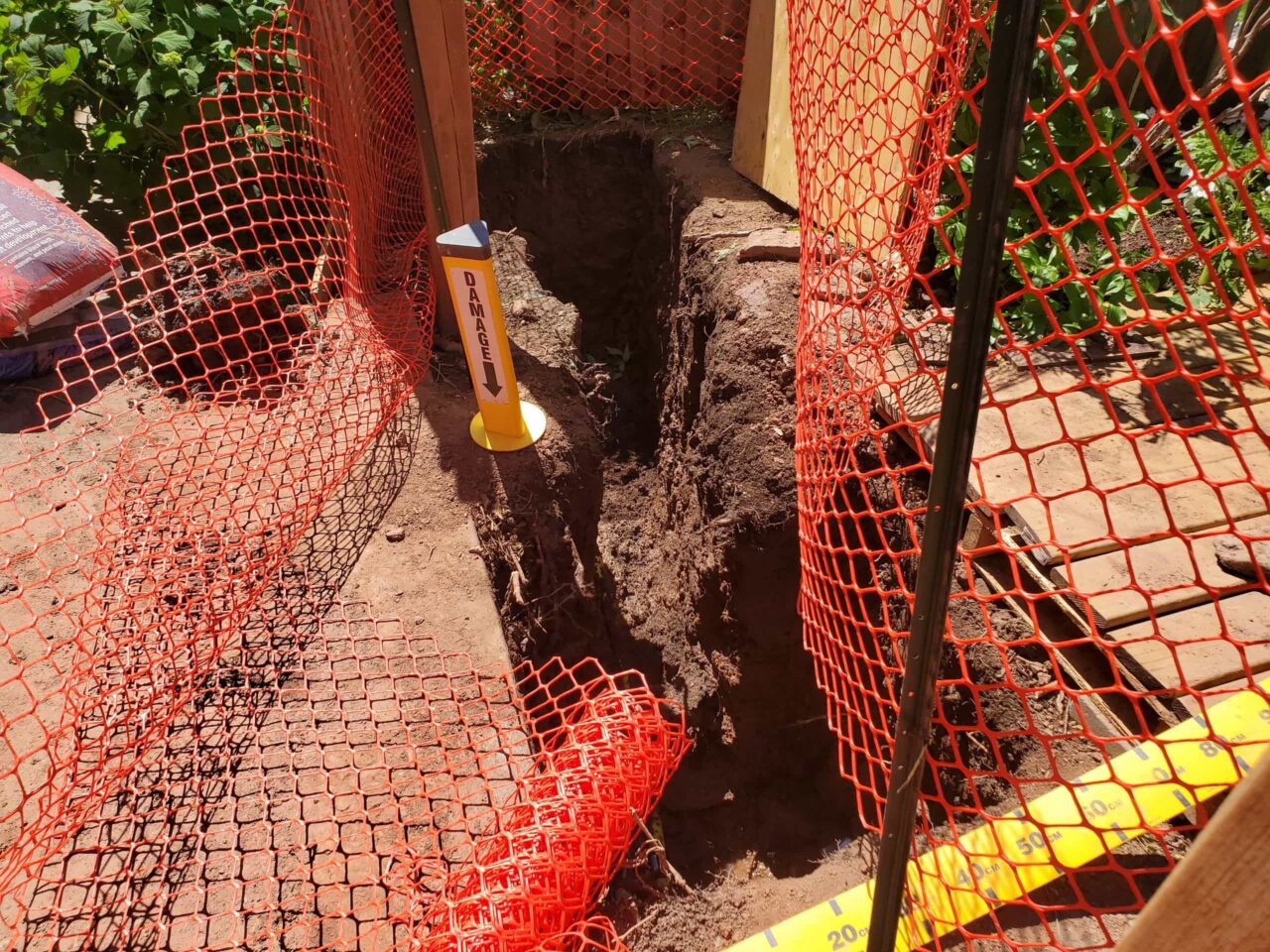
Utility Locates Part 1:
You want a fence.
We want to install a fence.
There are 30 holes to drill and a machine sitting in the backyard that can dig them in about the time it takes you to make lunch.
Then Ontario One Call gets involved.
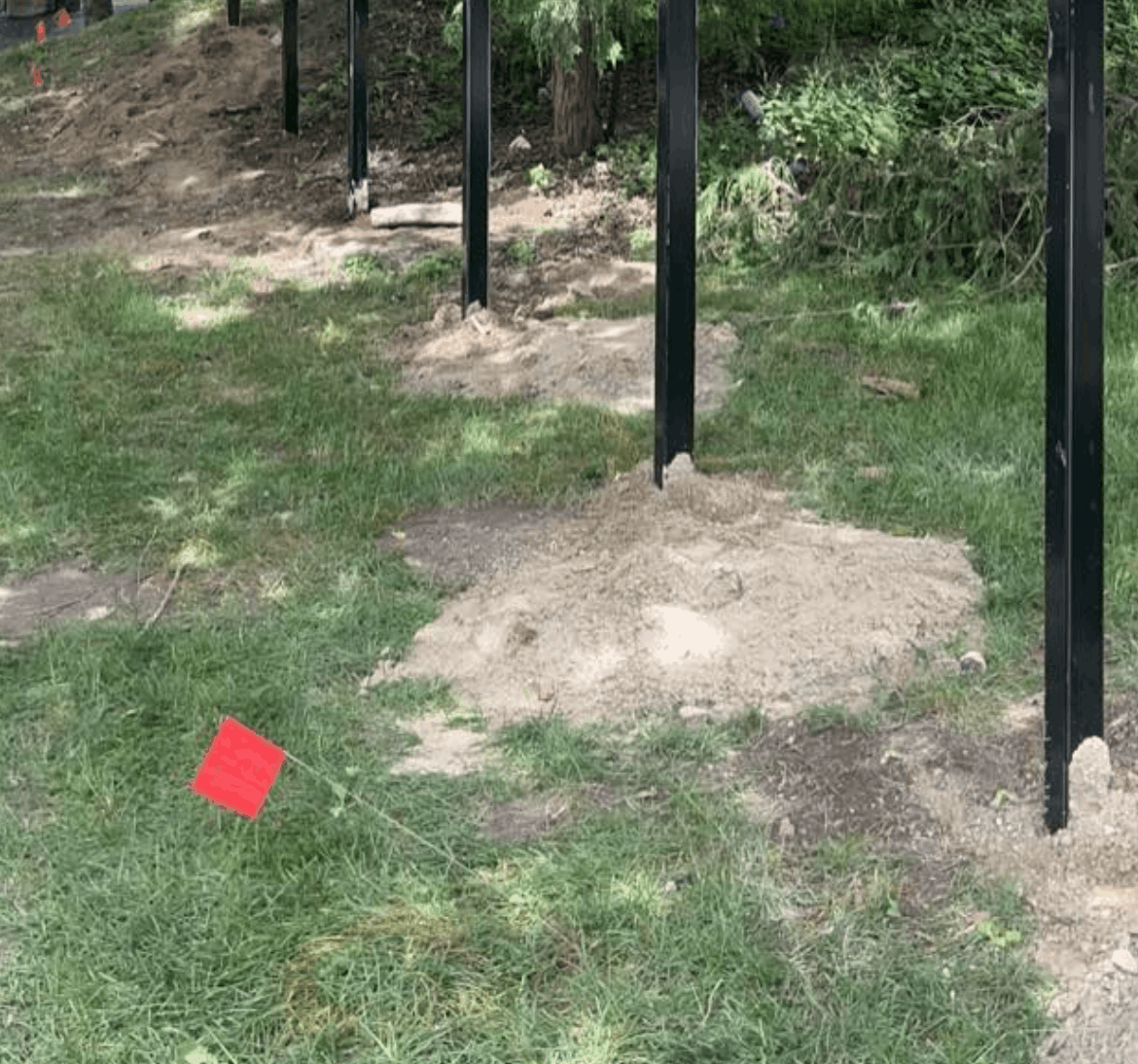
Suddenly there are emails, tickets, paint marks, paperwork and a locator who may or may not show up when everyone hoped they would.
It’s tempting to think:
“It’s just a fence post. What’s the worst that could happen?”
Quite a lot, actually.
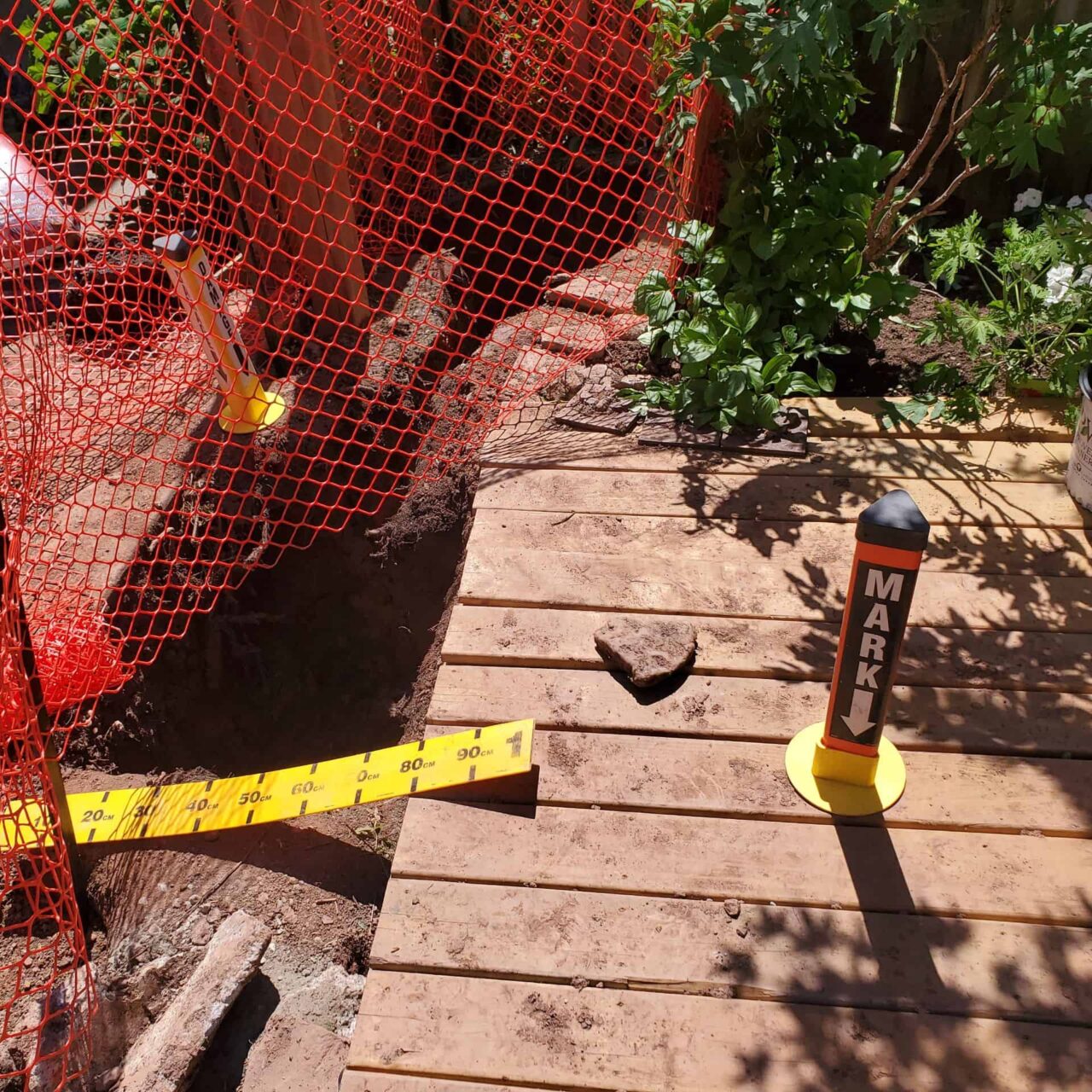
Digging without locates can cost you $10,000 before you hit anything
Let’s start with the boring part that gets everyone’s attention:
In Ontario, you are required to obtain valid utility locates before excavating.
Digging without one can result in an administrative penalty of up to $10,000.
And here’s the important part:
That $10,000 isn’t the bill for the gas line you destroyed.
It’s the penalty for digging without the locate in the first place.
Damage a utility and you’ve potentially opened an entirely different can of worms involving repairs, downtime, investigations, insurance claims and additional liability.
That suddenly makes waiting for some spray paint on the lawn seem pretty reasonable.
But the fine isn't actually the scary part
Money can be replaced.
People can’t.
There can be gas lines, hydro, telecommunications, water and other infrastructure underneath an otherwise completely ordinary-looking lawn.
And an auger doesn’t know the difference between soil and a utility.
Hit a communication cable and you’ve probably created an expensive headache.
Hit a gas line or energized electrical infrastructure and you’ve potentially created an emergency.
Gas can ignite.
Electrical infrastructure can seriously injure or kill someone.
This isn’t paperwork for the sake of paperwork.
Some of the things buried underneath your lawn can actually hurt you.
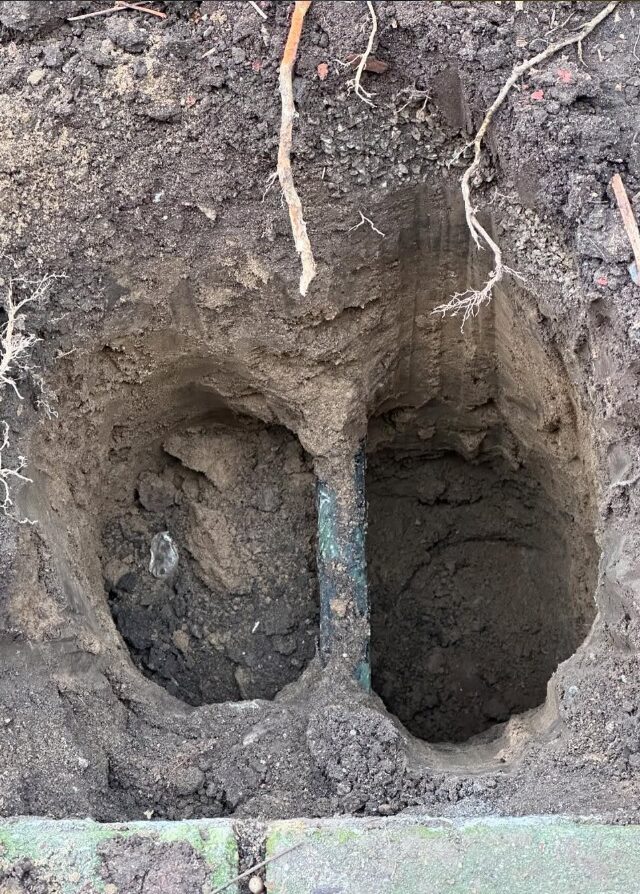
What happens when you hit a gas line?
Here’s the version homeowners don’t usually picture when they’re asking why we can’t “just drill the holes.”
You don’t hit the gas line, put some tape on it and continue building the fence.
Work stops.
The utility company gets involved.
Emergency services may be called.
The fire department may show up.
Depending on the circumstances, nearby homes may need to be evacuated or access to the area restricted.
Now you’ve got utility trucks, emergency vehicles and half the neighbourhood standing outside wondering what happened.
Congratulations.
Your fence installation has become the most interesting thing that’s happened on the street all year.
And then they have to fix it
This is another part people don’t think about.
The damaged utility is underground.
To repair it, somebody has to get to it.
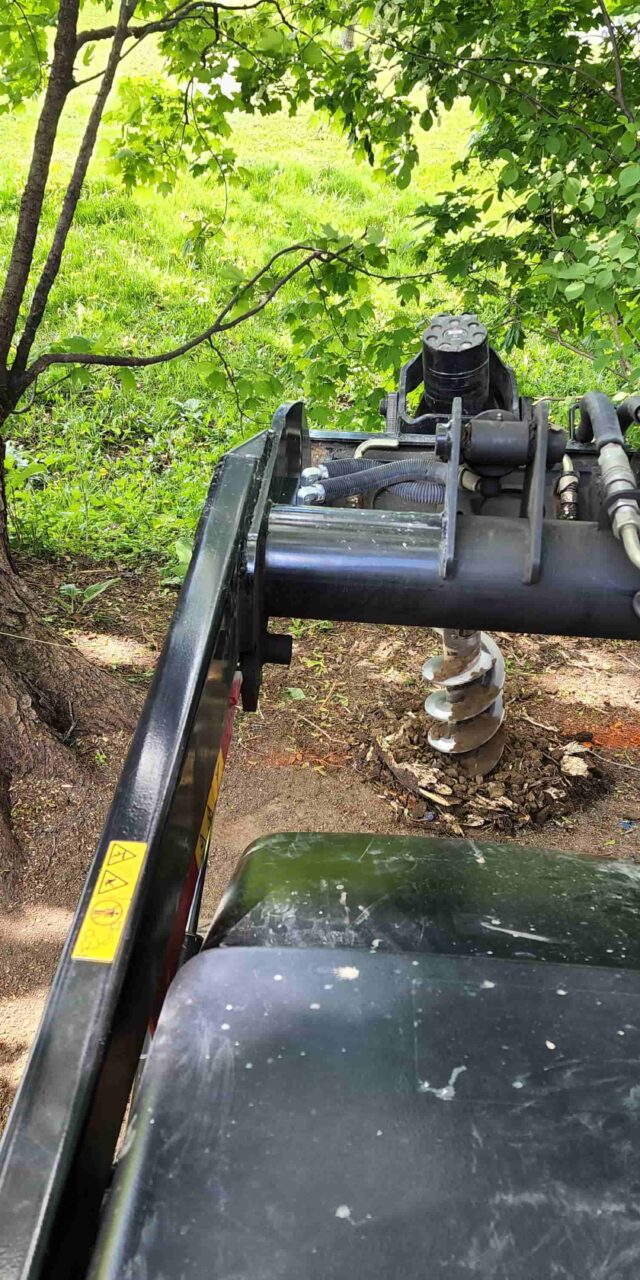
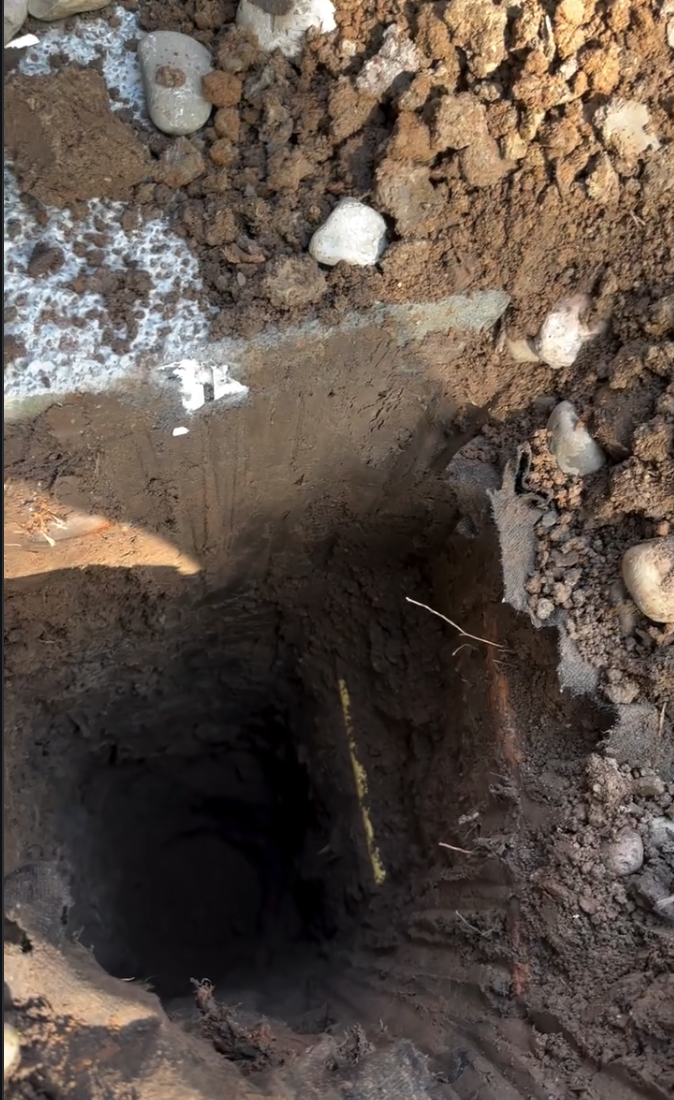
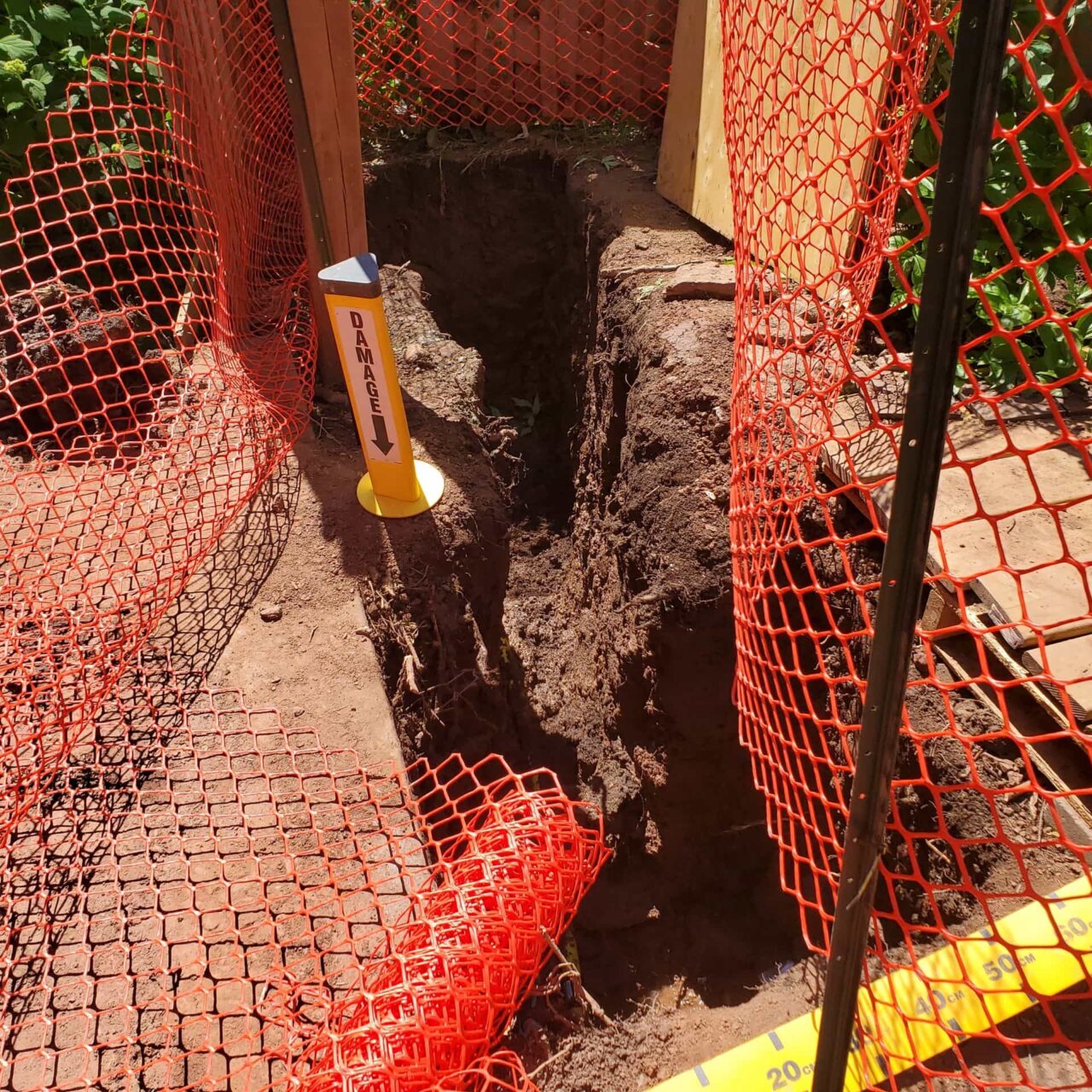
That can mean excavating a considerably larger area around the strike so crews can safely expose and repair the damaged infrastructure.
The tiny post hole that started the problem can turn into a large excavation in the middle of your lawn.
Grass?
Gone.
Garden?
Possibly gone.
Interlock or other landscaping in the way?
That’s now part of the conversation too.
A utility strike can turn a very small excavation into a very large one.
"But the line isn't anywhere near the fence"
Maybe.
We’ve also been doing this long enough to know that underground utilities don’t always run exactly where you’d expect them to.
Houses get renovated.
Pools get installed.
Garages get added.
Previous owners run electrical lines to sheds.
Gas lines get installed for BBQs and pool heaters.
Properties change over decades, while almost everything underneath the grass remains invisible.
Looking at where the meter is and guessing where the line goes isn’t a locate.
Neither is asking your neighbour where his line runs.
And neither is saying:
“I’ve lived here 20 years. There’s nothing back there.”
We’ve heard that one before.
Public locates don't necessarily show everything either
This one surprises homeowners.
Ontario One Call coordinates locates for participating buried public infrastructure.
But your property may also contain private utilities.
Common examples include:
- gas lines running from the house to a BBQ or pool heater
- electrical running to a detached garage or shed
- landscape lighting
- septic systems
- private water or other piping
- wiring for cameras, gates or other equipment
Those may require a private locate.
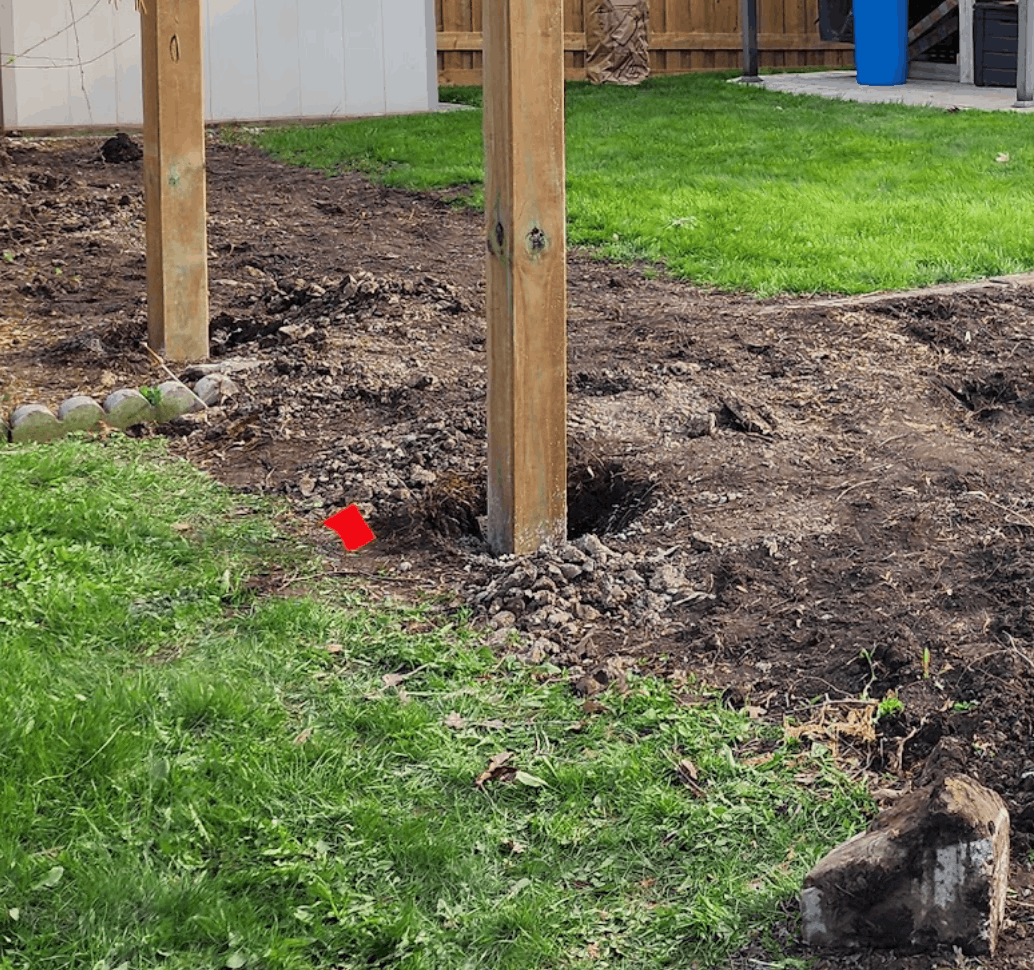
So seeing coloured paint from Ontario One Call doesn’t automatically mean every single thing buried in the backyard has been identified.
The paint isn't a force field
This is probably the biggest misconception about utility locates.
The locator doesn’t paint a line on the grass and magically make everything safe.
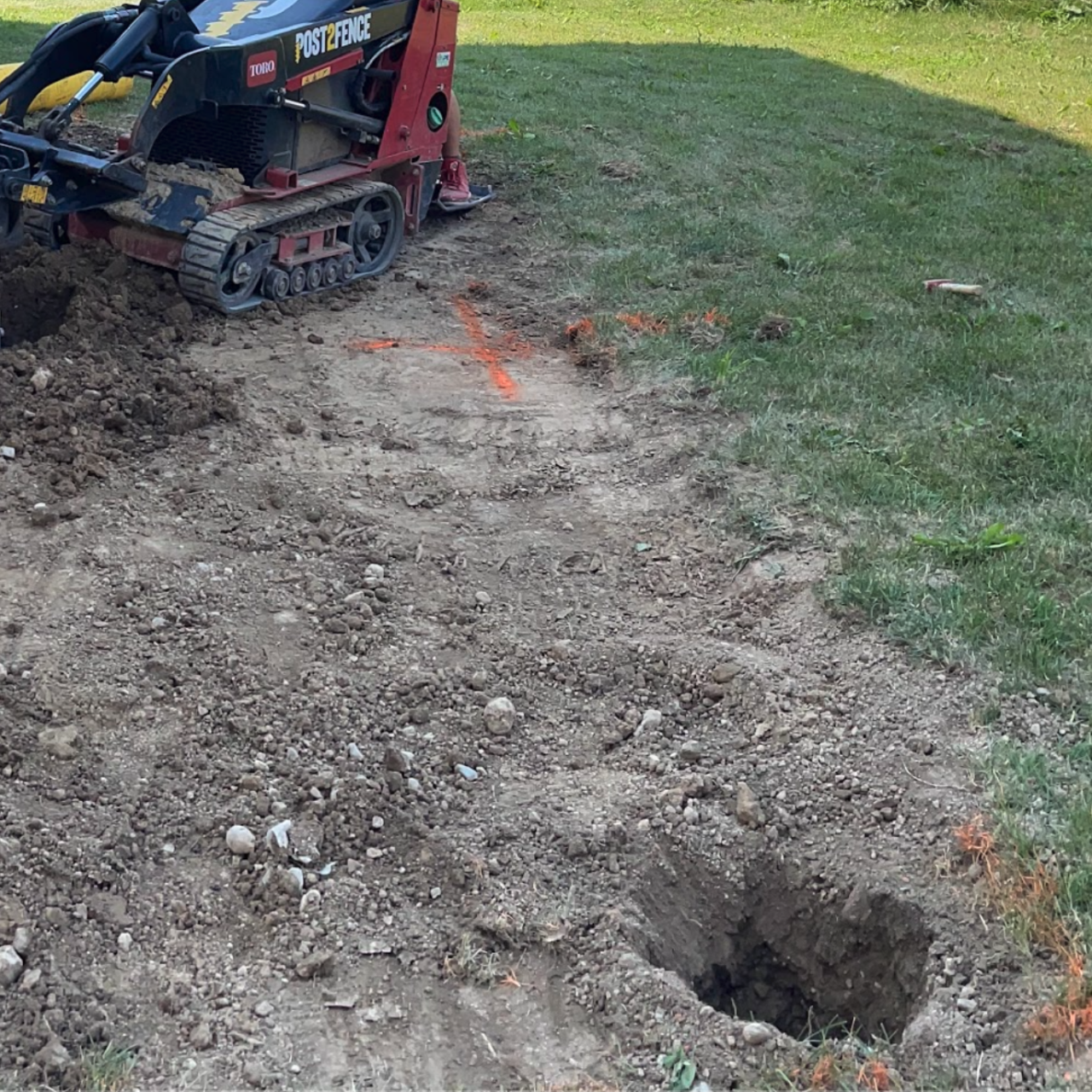
A locate tells the excavator where underground infrastructure is believed to be and provides instructions that must be followed while digging.
Utilities also have tolerance zones.
For gas pipelines in Ontario, mechanical equipment cannot simply be used right up against the marked line. When digging within the regulated area around the pipeline, special excavation procedures are required and the line may need to be carefully exposed first.
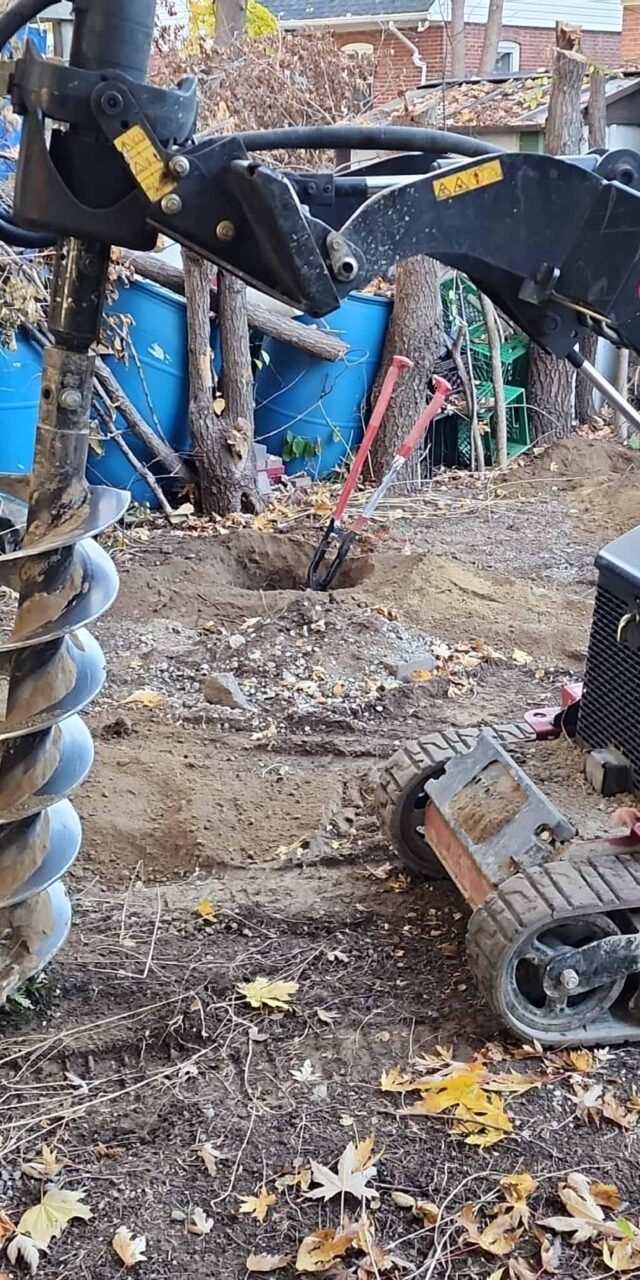
That’s why you’ll sometimes see our machines drilling one hole normally…
and then see us hand digging another hole five feet away.
We’re not suddenly trying to get some exercise.
There’s probably a utility nearby.
Locates are free. Utility strikes aren't.
That’s the part that makes skipping them especially ridiculous.
Ontario One Call public utility locates are free.
The alternative can involve:
- fines
- utility repair bills
- destroyed landscaping
- project delays
- emergency services
- insurance claims
- injured workers
- injured homeowners
- service outages for you and your neighbours
All to avoid requesting something that costs $0.
That’s a pretty terrible trade.
Before the auger turns, we want to know what's underneath it
At Post2Fence, digging is what we do.
We drill thousands of holes.
That also means we’re putting machinery into the ground thousands of times every year.
We take utility locates seriously because we’ve seen enough jobs to understand that what you can’t see is often the biggest risk on the property.
A fence post can be replaced.
A damaged lawn can be repaired.
But when you’re dealing with gas and electricity, guessing isn’t good enough.
In Part 2, we’ll explain why your contractor — not you — should normally be the one requesting the locates, why locates aren’t always perfect, and what actually happens when the paint on the ground doesn’t match what’s underneath it.