

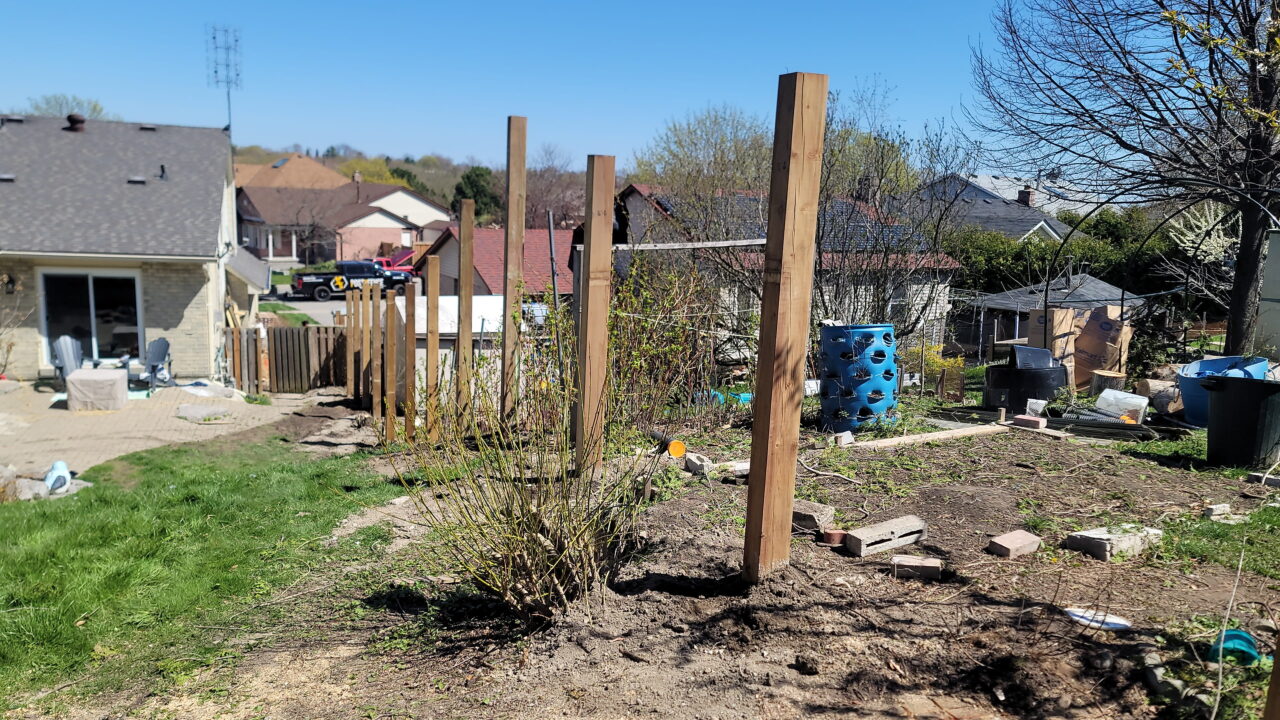
Can Fence Posts Be Installed Without Concrete?
OVERVIEW
Longer answer: yes… but only if they’re installed properly.
There are three main ways to install fence posts:
None of these methods are “wrong.”
What actually matters — in all three cases — is depth.
If posts aren’t deep enough, it doesn’t matter what you set them in. They’re going to move.
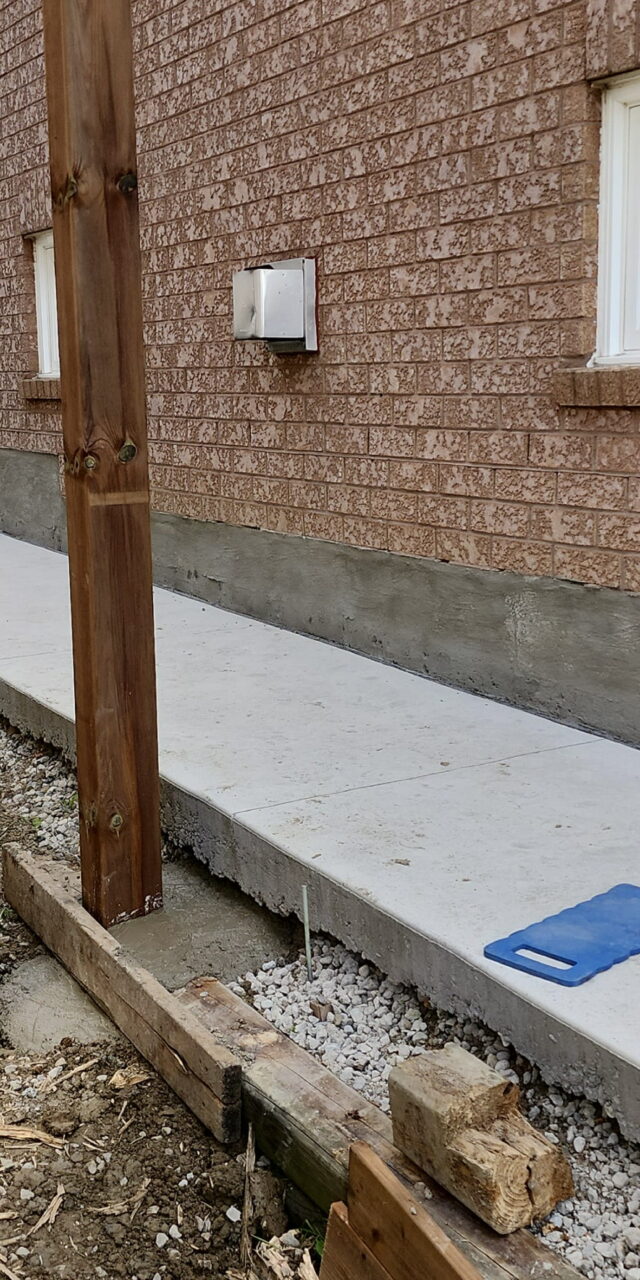
Method #1: Concrete
Concrete is popular for a reason.
It’s:
- cheap
- quick
- sturdy
- familiar
For most residential fences, concrete does the job just fine when:
- posts are deep enough
- holes are the right diameter
- the post is set straight
Once it cures, the post is locked in place and doesn’t go anywhere.
The downside?
Once it’s in, it’s in.
If you ever need to:
- remove a post
- widen access to the yard
- reconfigure a section
…you’re breaking concrete and hauling out chunks the size of bowling balls.
Method #2: Gravel
Gravel-set posts are less common in residential yards, but they’re absolutely a legitimate option.
The big advantage?
You can remove the post later.
If you ever need access:
- shovel out the gravel
- pull the post
- put it back when you’re done
That flexibility is why this method is used a lot on:
- farm properties
- large rural lots
- areas where layouts change over time
There are a few things to keep in mind though.
Gravel installs:
- often cost more than concrete for homeowners
- require tamping in layers
- take more time
- are harder to keep perfectly straight while backfilling
Most homeowners can’t buy gravel in bulk, so bagged material adds up fast.
Fun fact: many hydro poles are installed using gravel, not concrete — and they never fall over.
Done right, this method is extremely solid.
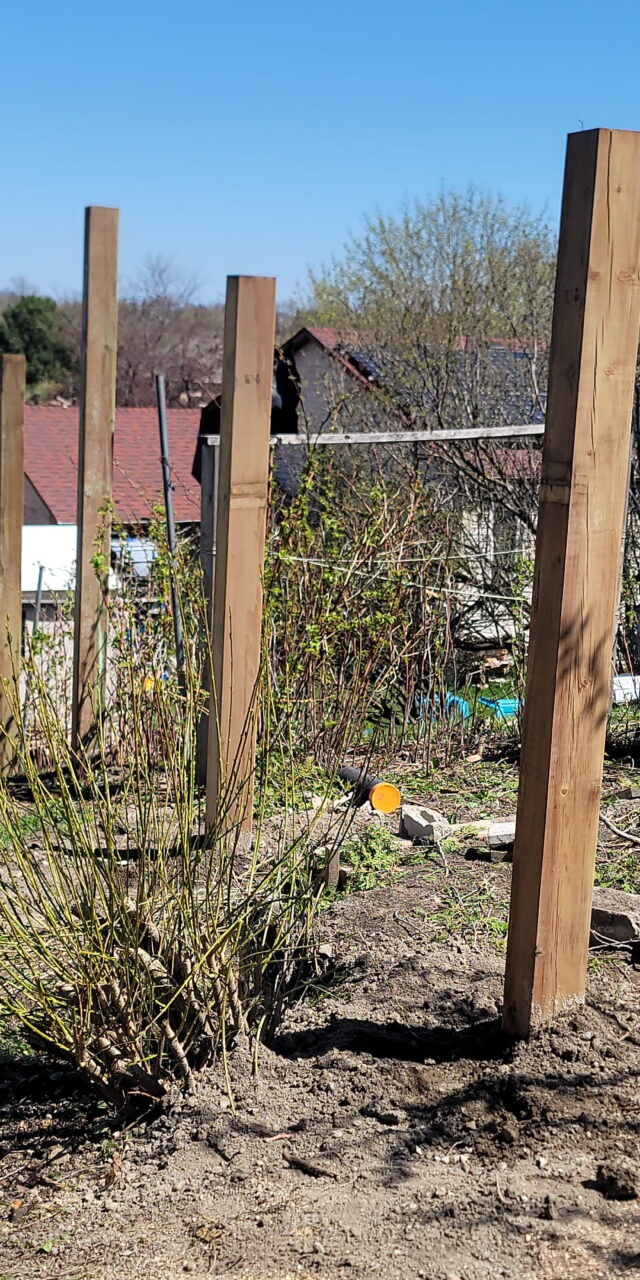
Method #3: Pounded posts
This is where a lot of people are surprised.
Pounded posts — usually hollow metal posts — are driven directly into the ground.
No hole.
No concrete.
No dirt piles.
The benefits:
- clean installation
- fast
- minimal disruption
- frost can’t grab a hollow post the same way it can grab concrete
That last point is huge.
Because there’s no concrete “plug,” frost heave is dramatically reduced. Properly driven posts almost never move.
This is why:
- most chain link fences have pounded posts
- only the tension posts in chain link get concrete
For wood fences built on metal posts, the posts are typically driven 3.5–4 feet deep, which is the same depth as most wooden posts — without the rot risk.
They:
- don’t rot
- install faster
- last longer
- make less mess
It’s one of the most efficient systems when conditions allow.
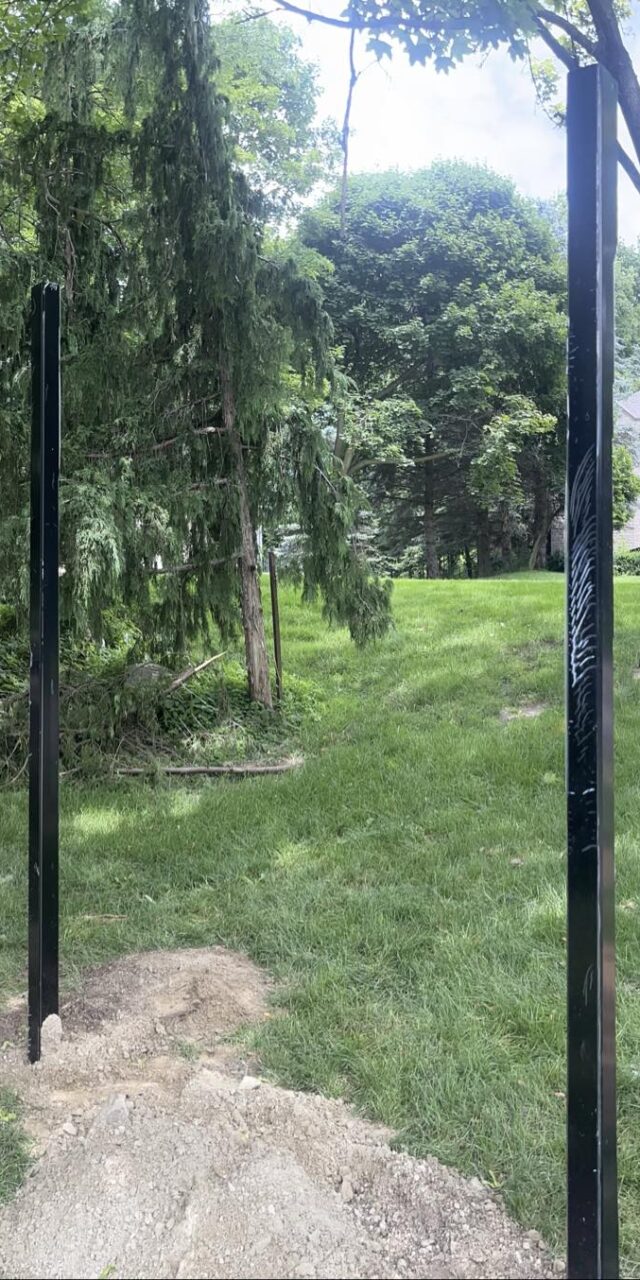
So… which method is best?
Concrete
→ affordable, strong, permanent
Gravel
→ removable, flexible, common on farms
Pounded posts
→ fast, clean, rot-proof, frost-resistant
What matters most in every case:
- proper depth
- proper alignment
- understanding the site conditions
If posts are shallow, none of these methods will save you.
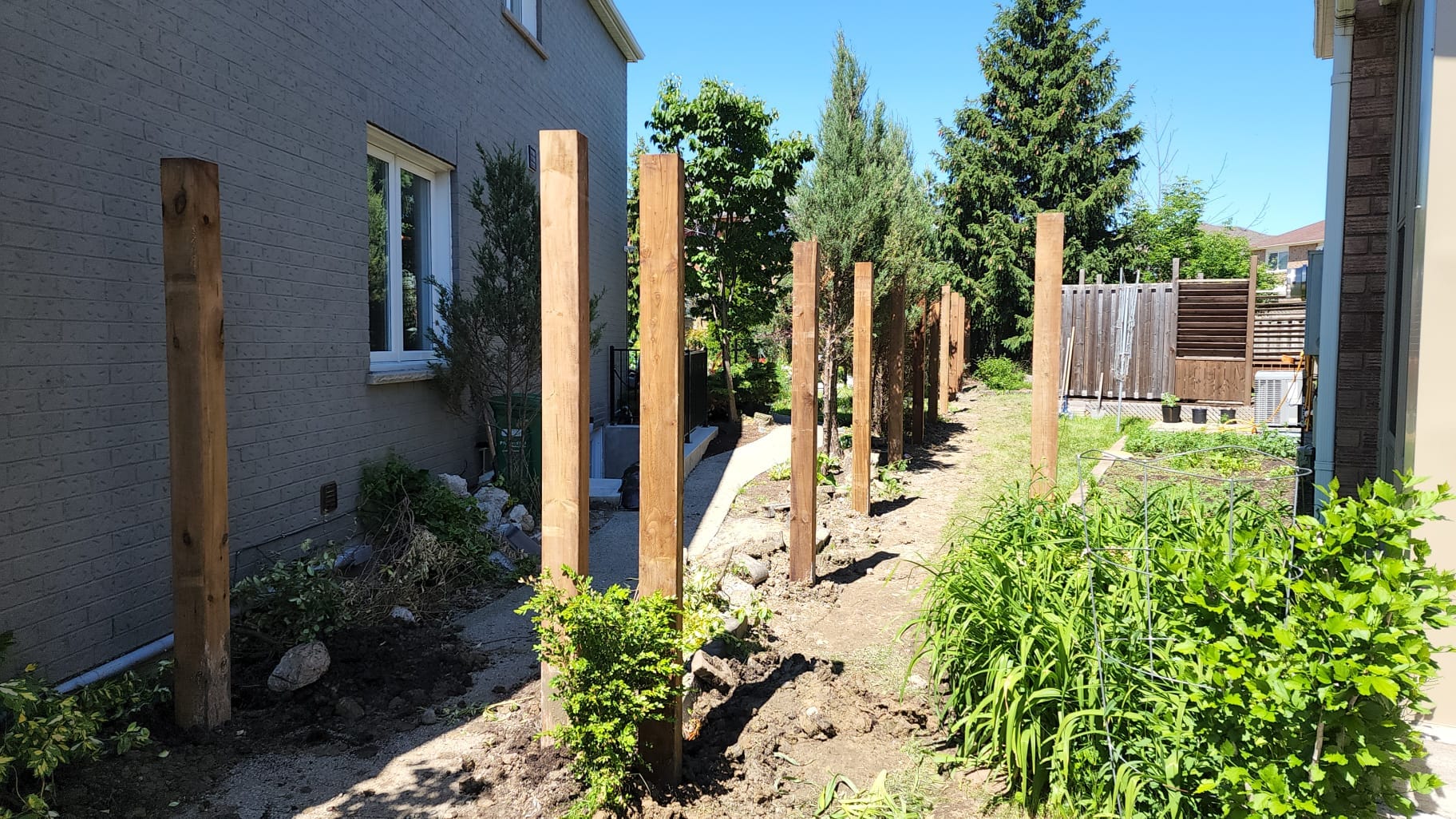
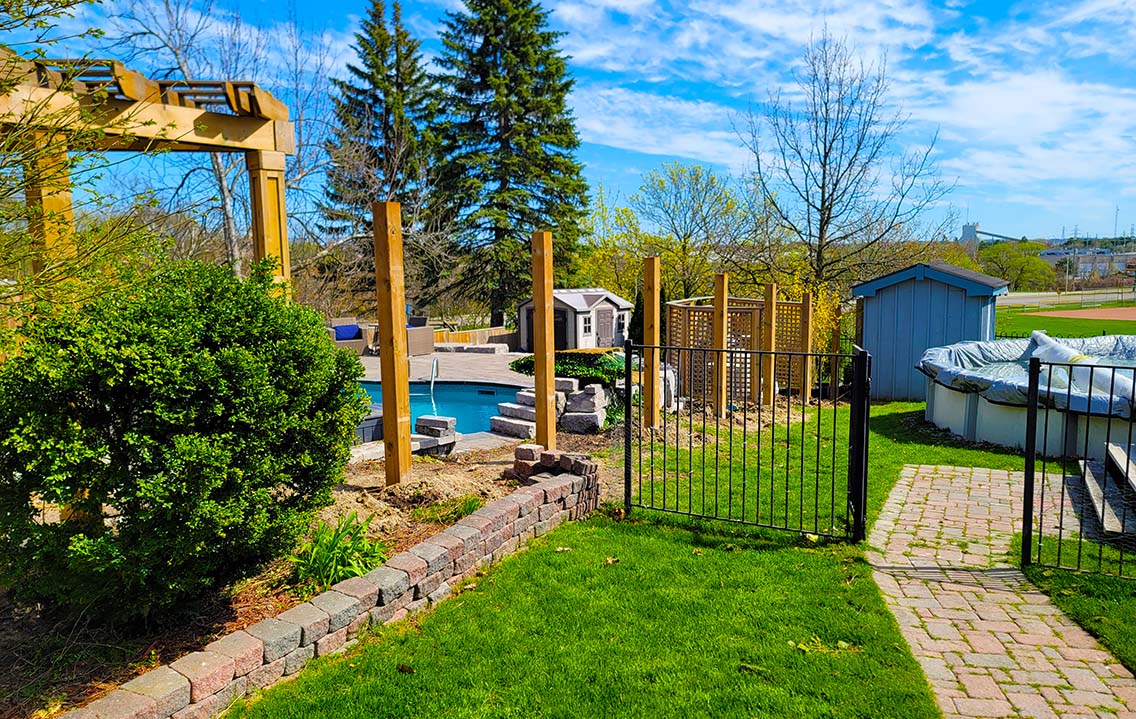
The real takeaway
We’ve seen:
- concrete-set posts fail because they weren’t deep enough
- gravel-set posts last decades
- pounded posts stay perfectly straight through years of freeze-thaw cycles
The method matters, but execution matters more.
If you’re planning a fence and aren’t sure which approach makes sense for your yard, soil, or long-term plans, this is one of those decisions that’s worth getting right the first time.
Because fixing posts later is never fun — no matter what they’re set in.