

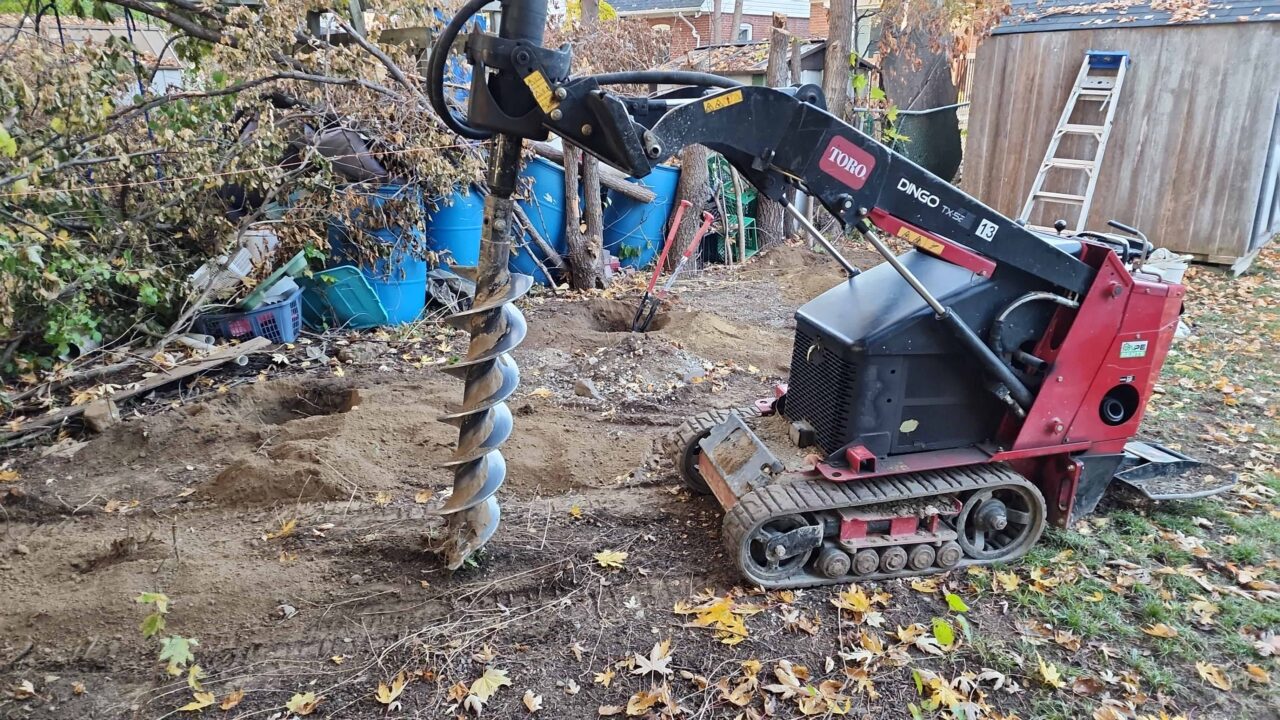
Should You Rent an Auger or Hire a Post Hole Digging Company?
DIY vs. Hiring a Post Hole Digging Company: Which Saves More Money?
If you’re building a fence, deck, pergola, gazebo, or installing bollards, digging the post holes is one of the most important steps of the entire project. While renting an auger may seem like the most affordable option, the actual cost often goes far beyond the rental fee.
The condition of your soil, the required digging depth, underground obstacles, and the experience needed to safely operate an auger can all determine whether your project is completed successfully—or becomes an expensive headache.
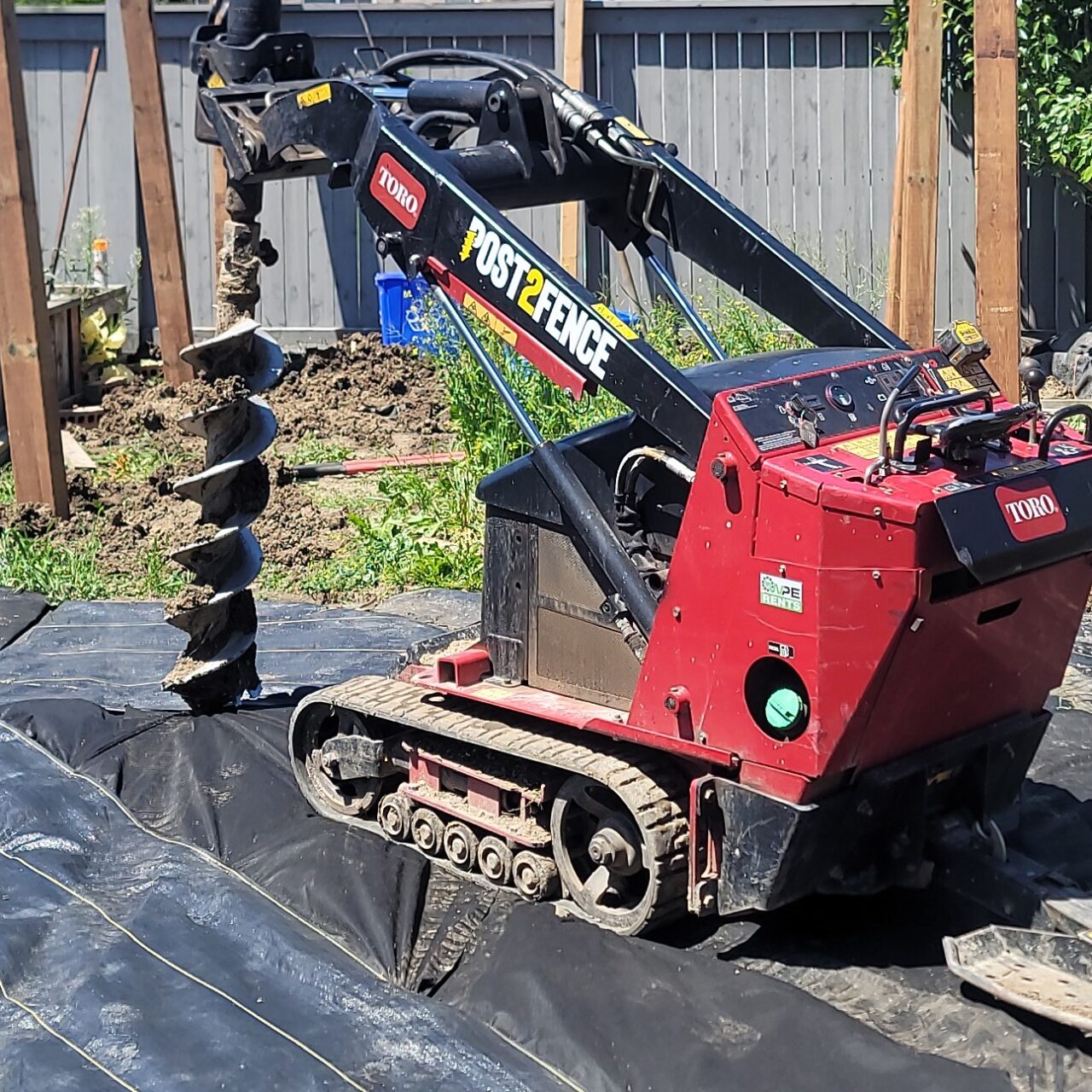
At Post2Fence, we’ve drilled thousands of post holes across Southern Ontario. If you’re planning a project and simply want the digging completed professionally, learn more about our post hole digging services.
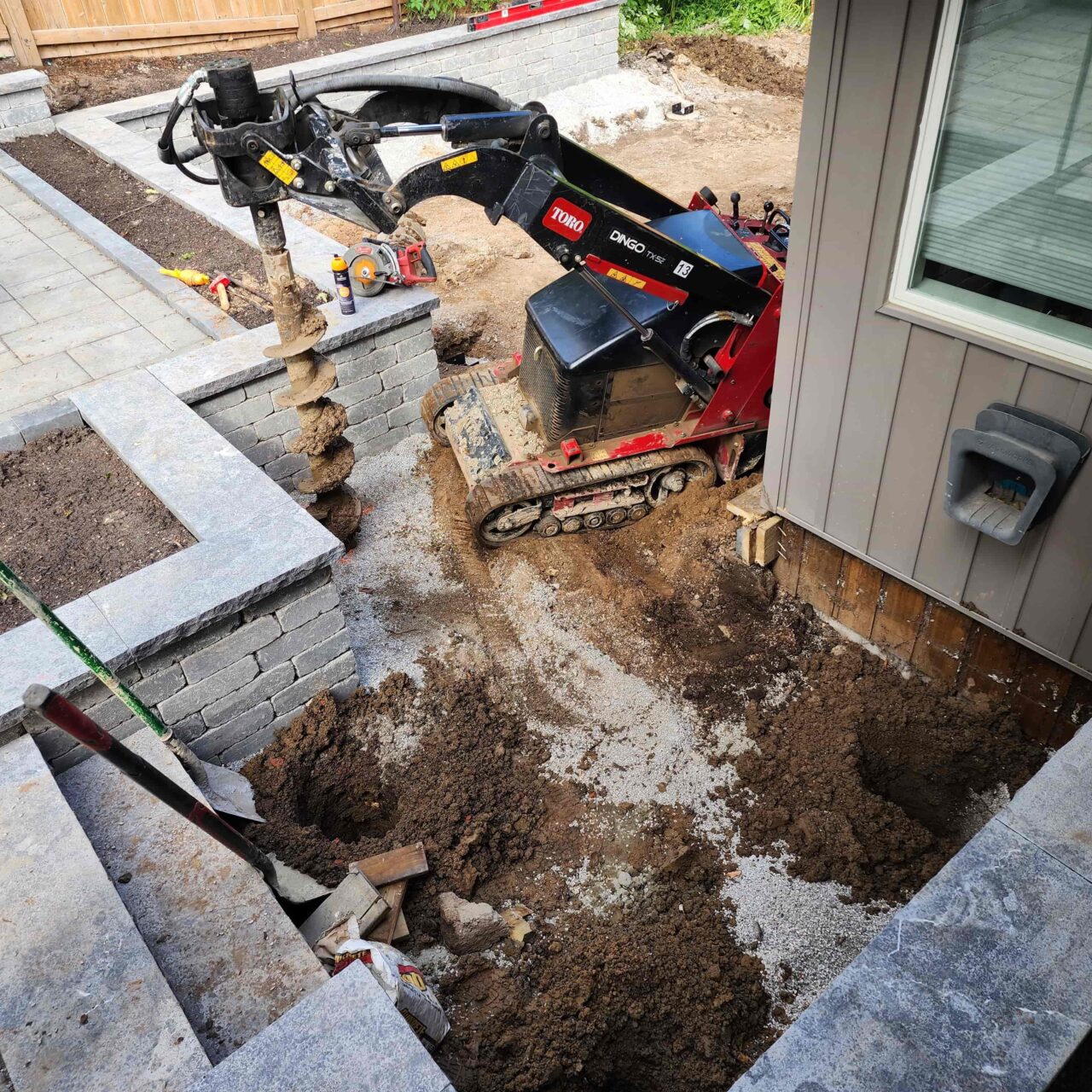
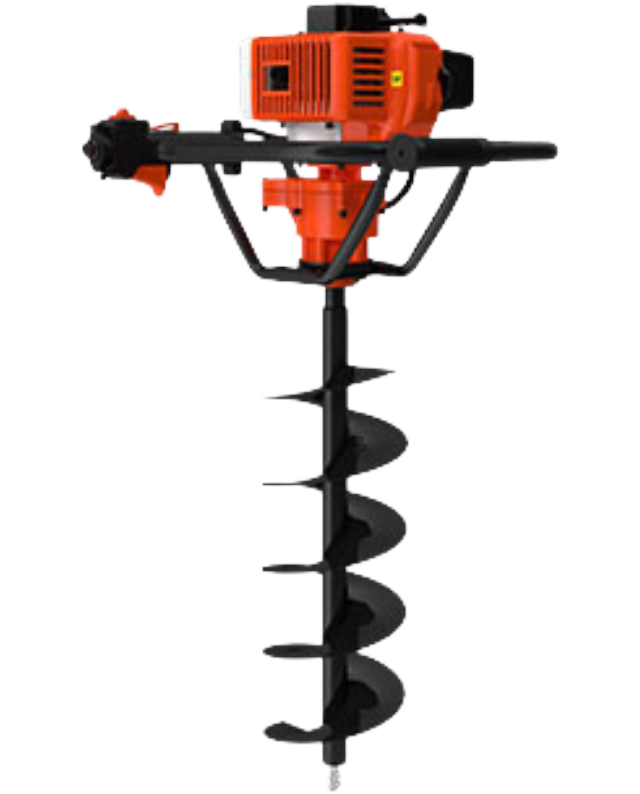
DIY Post Hole Digging
For small projects, renting an auger can be a reasonable option. However, many homeowners underestimate both the physical demands and the technical knowledge required to properly install fence or deck posts.
Typical DIY Costs
Before renting equipment, consider the full cost of the project:
- Auger rental
- Concrete
- Gravel
- Equipment transportation (if required)
- Additional rental days if the project takes longer than planned
- Time spent dealing with difficult soil conditions
What appears to be a one-day project can quickly turn into an entire weekend if you encounter clay, rocks, or tree roots.
The Hidden Safety Risk of Renting an Auger
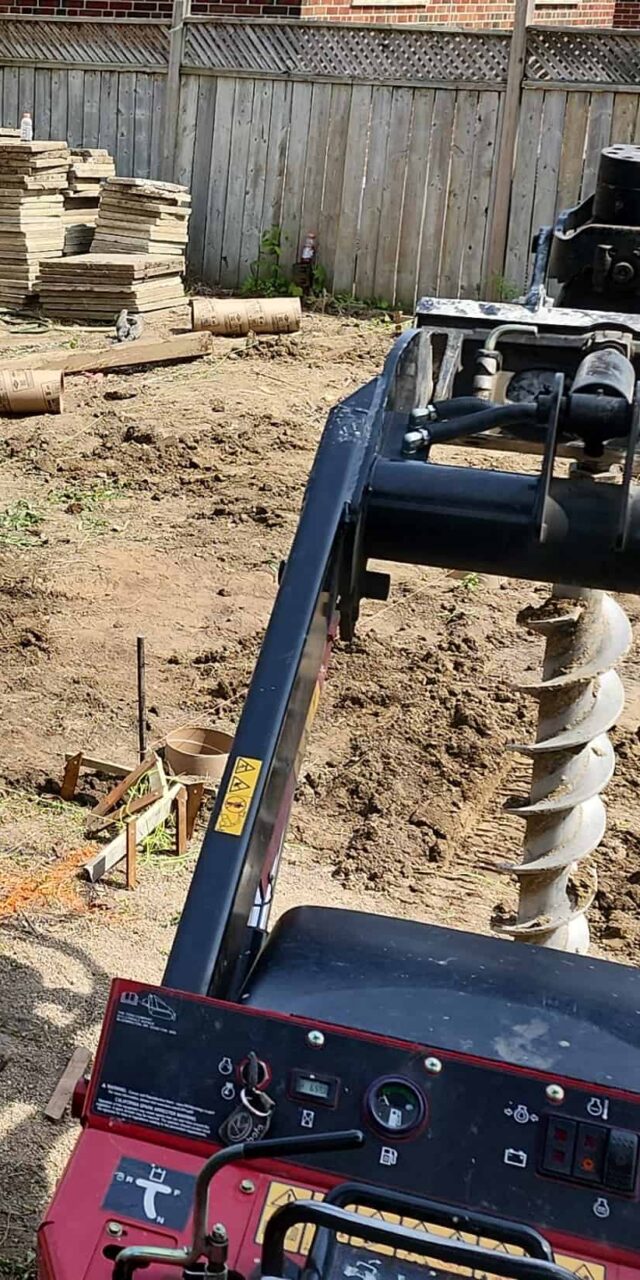
One of the biggest risks that isn’t often discussed is how powerful a hydraulic or gas-powered auger can be.
An auger doesn’t always stop gradually. If the bit catches on a large rock, thick tree root, buried concrete, or another hidden obstruction, the machine can bind instantly. When that happens, the auger may twist violently with significant force before the operator has time to react.
This sudden torque can lead to:
- Wrist injuries
- Shoulder and back strains
- Loss of balance
- Damage to nearby property
- Equipment damage
Professional operators learn how to recognize changing soil conditions and safely work through difficult ground. Someone renting an auger for the first time may not recognize these warning signs until the auger has already seized.
Common underground obstacles include:
- Large rocks
- Thick tree roots
- Buried concrete
- Old fence footings
- Construction debris
- Dense clay soil
Why Digging Depth Is So Important
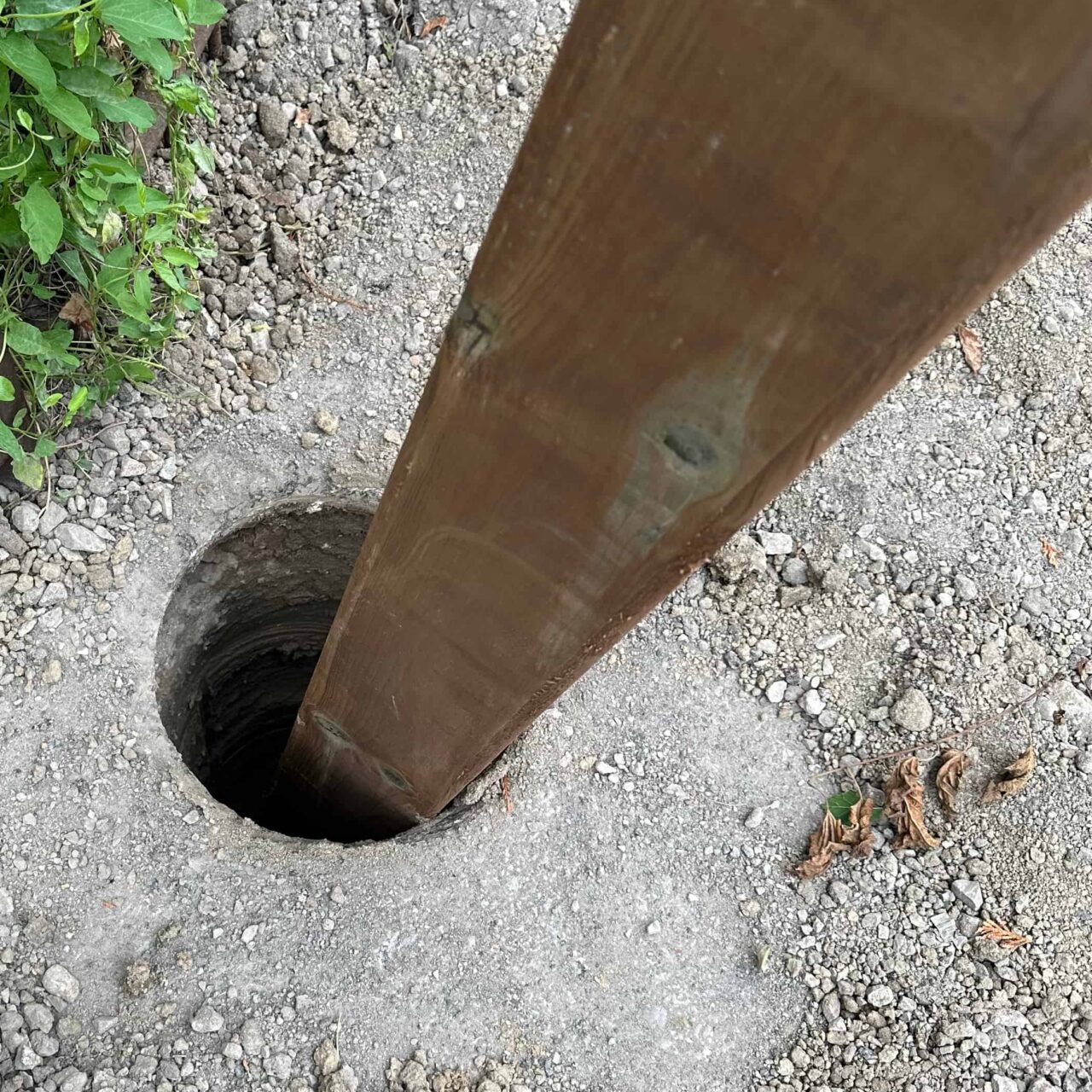
One of the most common mistakes homeowners make is not digging deep enough.
A fence may look perfectly straight when it’s first installed, but if the posts aren’t set at the proper depth, they can begin to move over time.
Shallow post holes can lead to:
- Leaning fence posts
- Sagging fence panels
- Gates that no longer close properly
- Increased movement during high winds
- Expensive repairs only a few years later
Proper depth is the foundation of a long-lasting fence or deck.
We cover this topic in greater detail in our article “We Drill Deep and Keep It Straight,“ where we explain why digging to the correct depth is one of the most important factors in building a fence that lasts for decades.
Understanding Ontario's Frost Line
One of the biggest reasons fence posts fail in Ontario is frost heave.
During the winter, water in the soil freezes and expands. As temperatures rise, the ground thaws and settles. This freeze-thaw cycle repeats every year, constantly moving the soil.
If the bottom of your fence post sits above the frost line, that movement can slowly lift the post higher each winter. Over time, the fence begins to lean, shift, or become uneven.
By extending the post below the frost line, the base remains in stable soil that experiences far less seasonal movement.
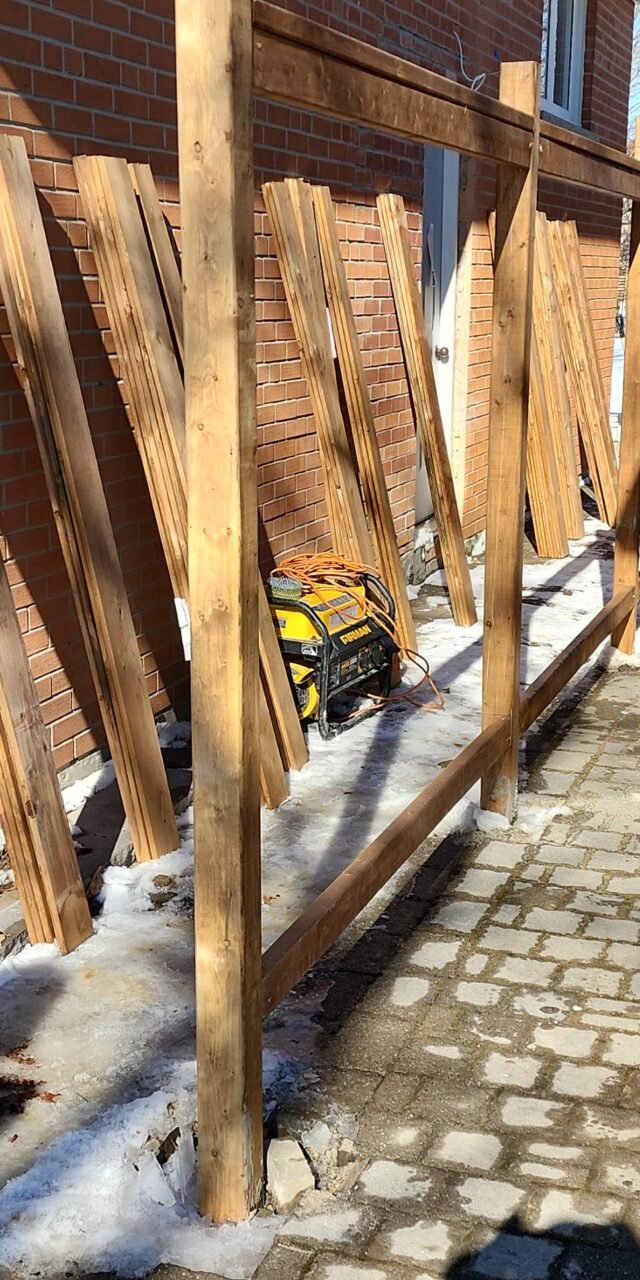
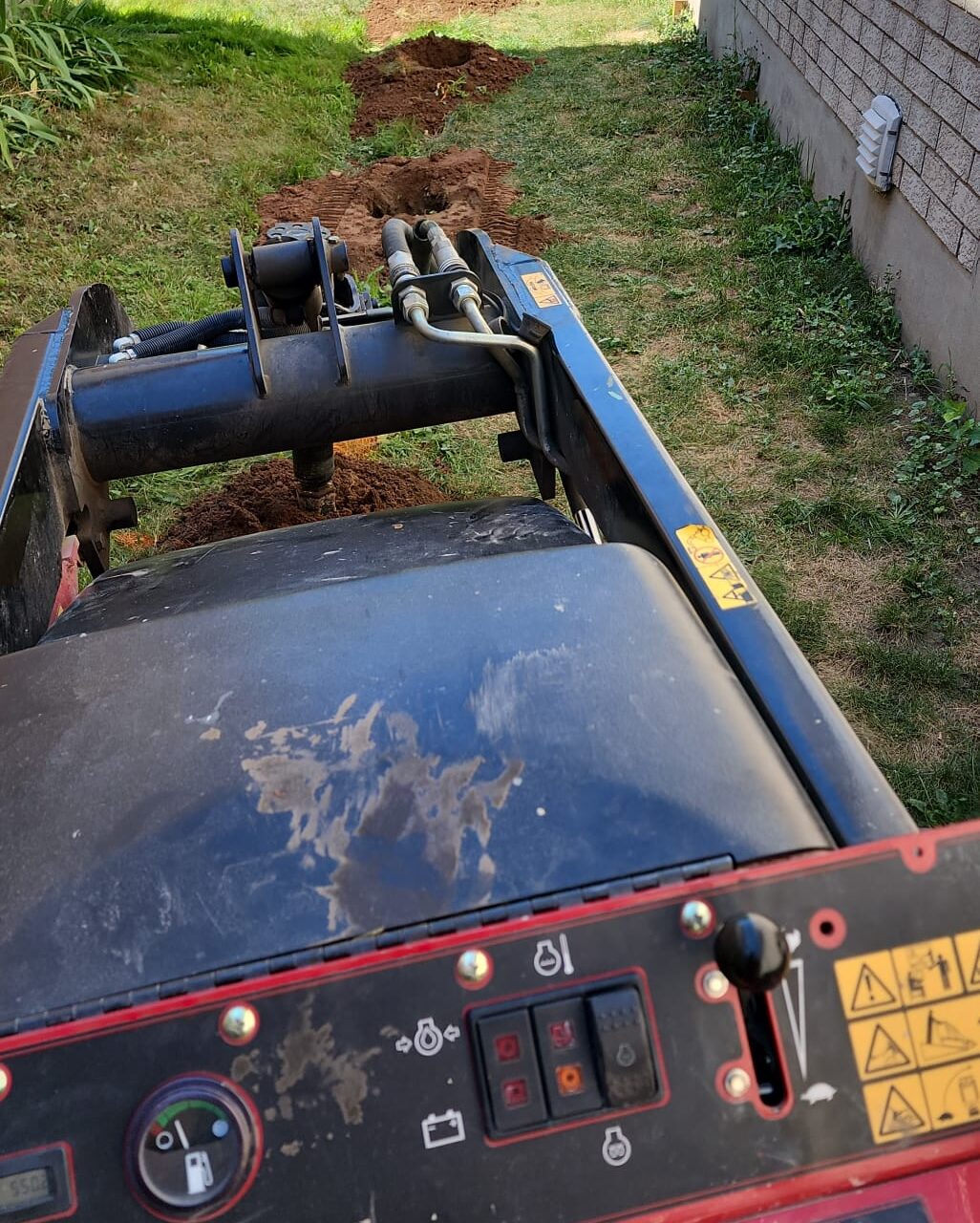
How Deep Should Fence Posts Be?
In most areas of Southern Ontario, fence posts should generally be installed approximately 4 feet (1.2 metres) deep so they extend below the typical frost line.
The ideal depth depends on several factors, including:
- Soil type
- Frost depth
- Fence height
- Post size
- Wind exposure
- Local building requirements
Larger structures such as privacy fences, gates, pergolas, gazebos, and decks place greater loads on each post, making proper depth even more important.
If you’re building a deck, proper footing depth is just as important. Learn more about our deck footing installation services
Frequently Asked Questions
Most residential fence posts are spaced between 6 and 8 feet apart, depending on:
- Fence style
- Material
- Wind exposure
- Terrain
- Gate placement
Proper spacing helps distribute weight evenly and improves the overall strength of the fence.
In most cases, yes.
Concrete helps stabilize the post and reduce movement over time. However, proper installation involves more than simply filling a hole with concrete. Drainage, hole size, and soil conditions all contribute to a successful installation.
Small roots are usually manageable, but larger roots can stop an auger immediately.
Depending on their size, roots may need to be removed or the hole relocated before drilling can continue safely.
Loose stones are common, but larger rocks or buried bedrock can quickly stop progress.
Professional equipment and experience often make these situations much easier to manage than attempting to force a rental auger through difficult ground.
Before any digging begins, underground utilities should always be located and marked.
Buried services may include:
- Natural gas
- Hydro
- Telecommunications
- Water
- Cable
Never start digging until utility locates have been completed.
Before beginning your project, it’s also important to understand whether permits may be required. Our guide “Permits: When You Need Them (and How to Avoid Ripping Everything Down)“ explains what homeowners should know before digging.
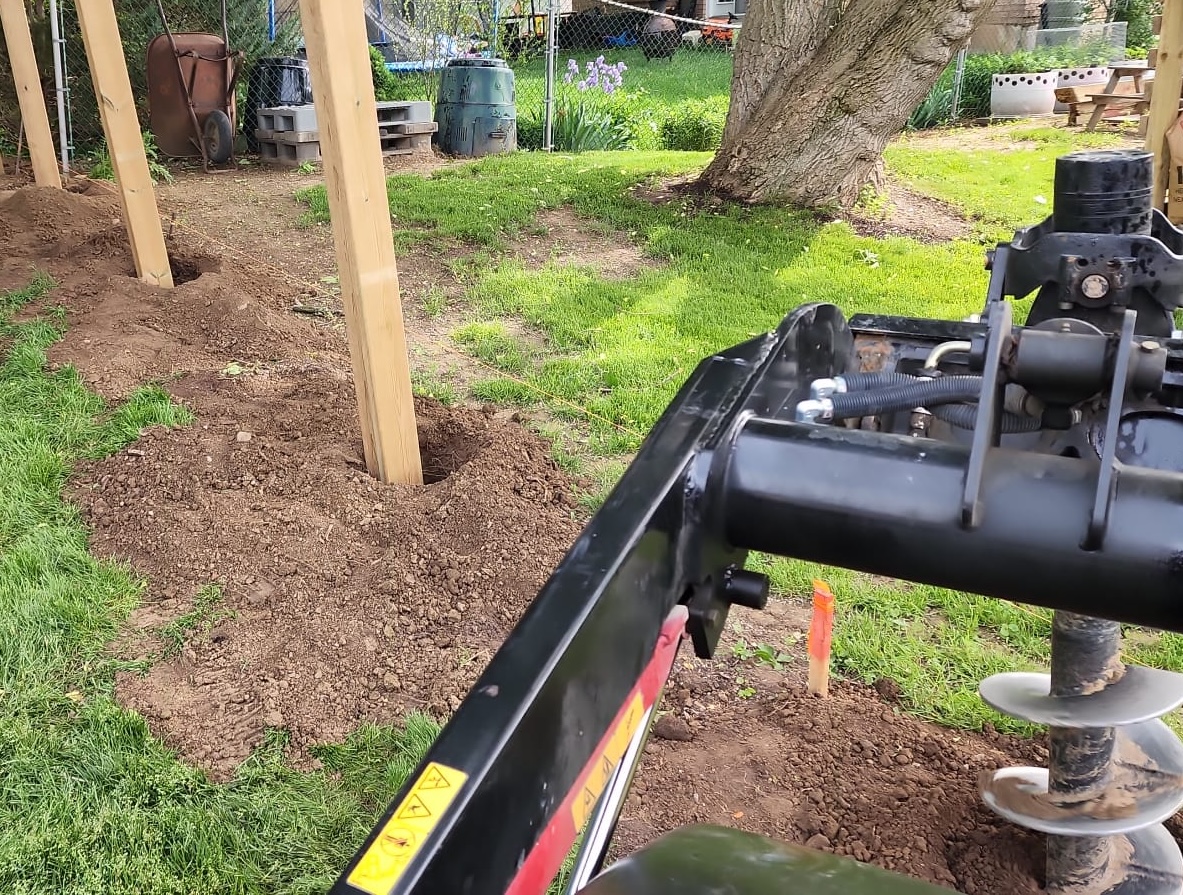
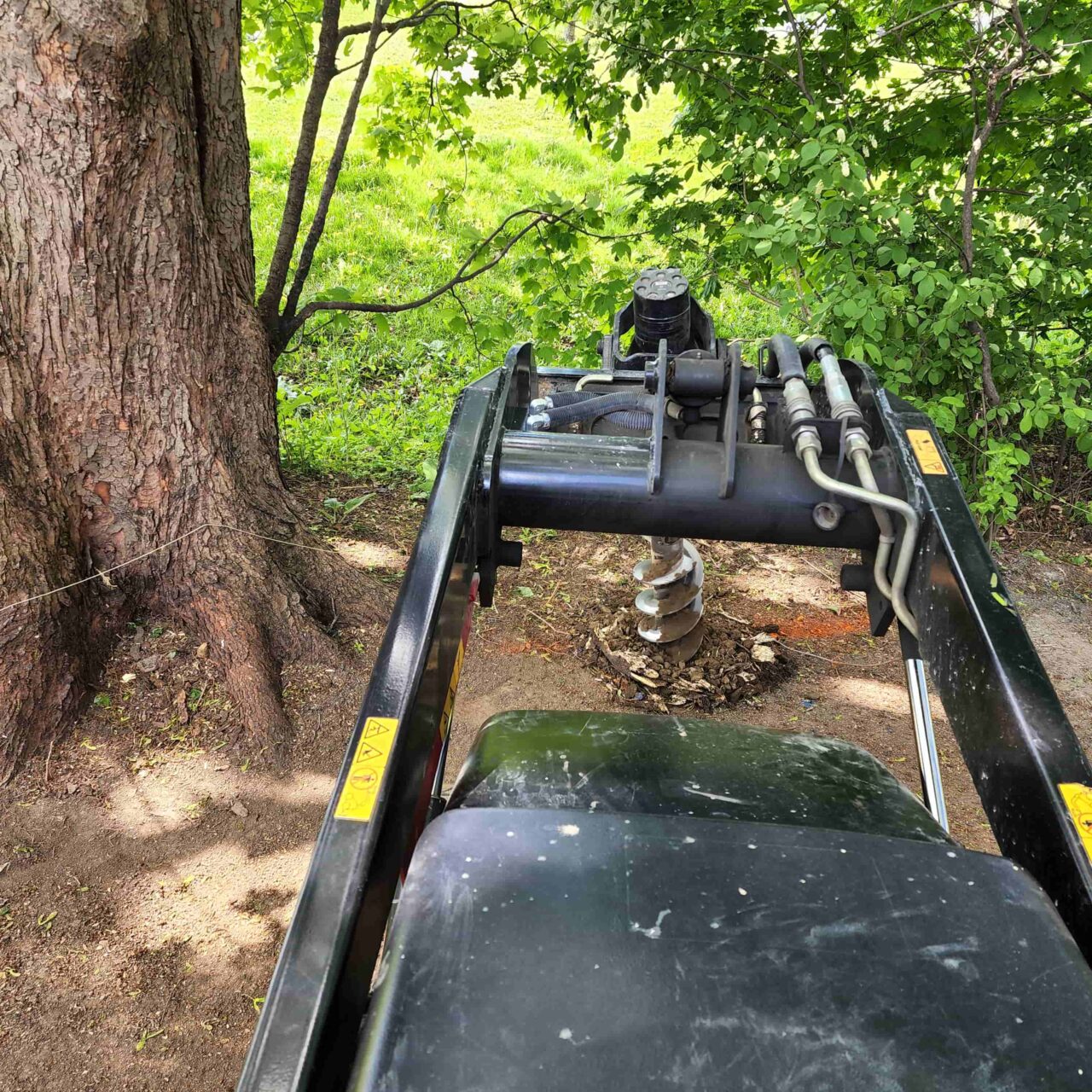
DIY vs. Hiring a Professional
|
DIY |
Professional |
|
Lower upfront cost for very small projects |
Faster project completion |
|
Equipment rental required |
Commercial-grade equipment included |
|
Greater risk when hitting underground obstacles |
Experienced in difficult soil conditions |
|
Requires understanding frost depth and proper hole placement |
Accurate depth and spacing every time |
|
Physically demanding |
Minimal effort for the homeowner |
|
Best for a handful of holes |
Ideal for fences, decks, pergolas, gazebos, and commercial projects |
Need Help With Your Project?
Whether you’re installing a new fence, building a deck, adding a pergola, or installing security bollards, having properly drilled post holes is the foundation of a successful project.
Post2Fence provides professional:
- Post hole digging
- Fence post installation
- Fence installation and repairs
- Deck footings
- Deck installation
- Pergola and gazebo installation
- Bollard installation
If you’re still in the planning stage, you may also find these articles helpful:
- We Drill Deep and Keep It Straight
- Permits: When You Need Them (and How to Avoid Ripping Everything Down)
- My Neighbour Won’t Split the Cost of the Fence!
Together, these resources answer many of the most common questions homeowners have before starting a fence or deck project.
The Bottom Line
Renting an auger can seem like an easy way to save money, but post hole digging requires much more than drilling into the ground. Safe equipment operation, understanding Ontario’s frost line, achieving the correct post depth, and dealing with unexpected underground obstacles all play a major role in the long-term success of your project.
For smaller jobs, DIY may be a practical option if you have the right experience and favourable conditions. For larger projects—or if you simply want the confidence that your fence or deck is built on a solid foundation—hiring a professional can save time, reduce risk, and help prevent costly repairs down the road.
Ready to get started? Visit our Post Hole Digging Services page to request a quote and let our team handle the hard work.